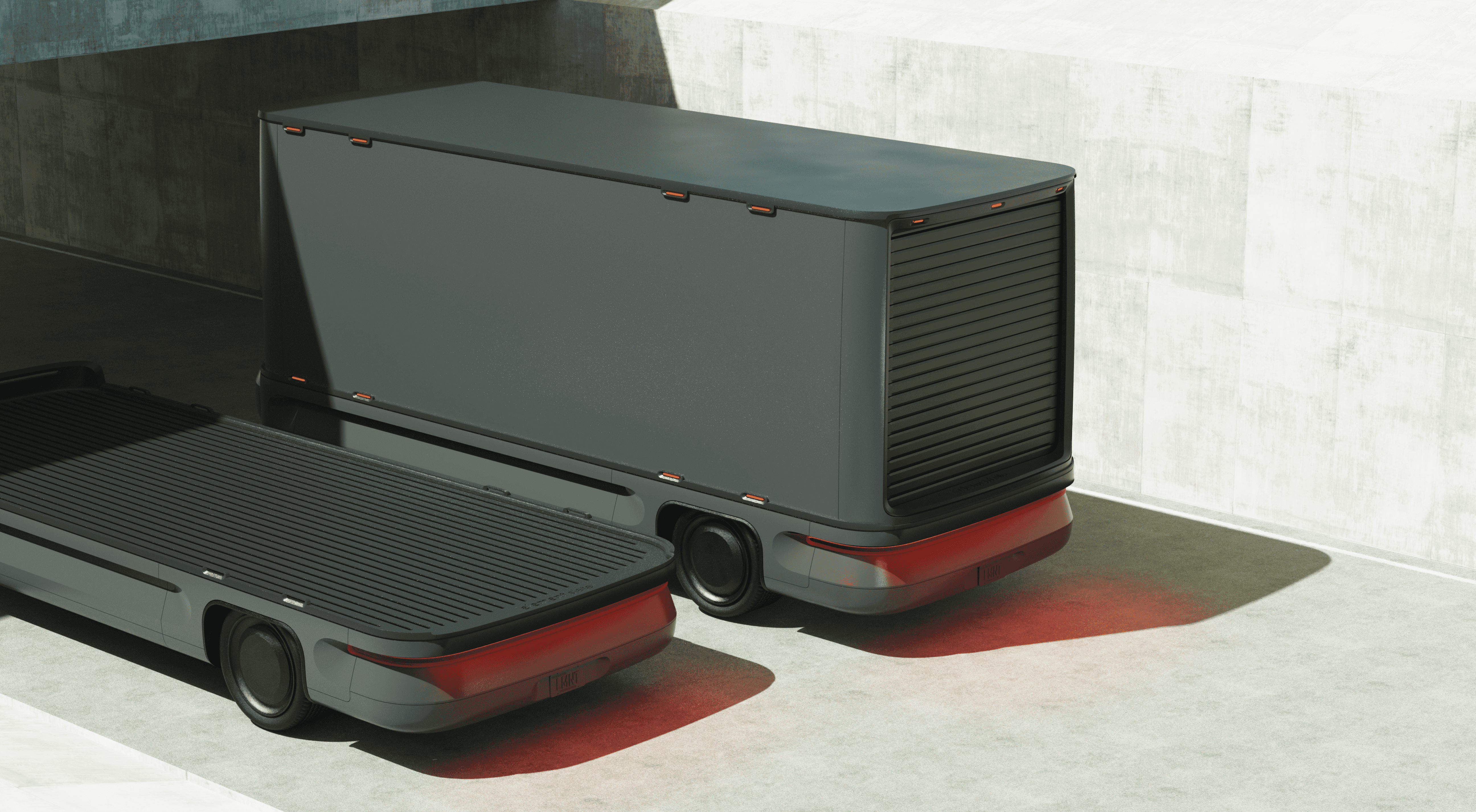
Element Electric Trailers
Client Work
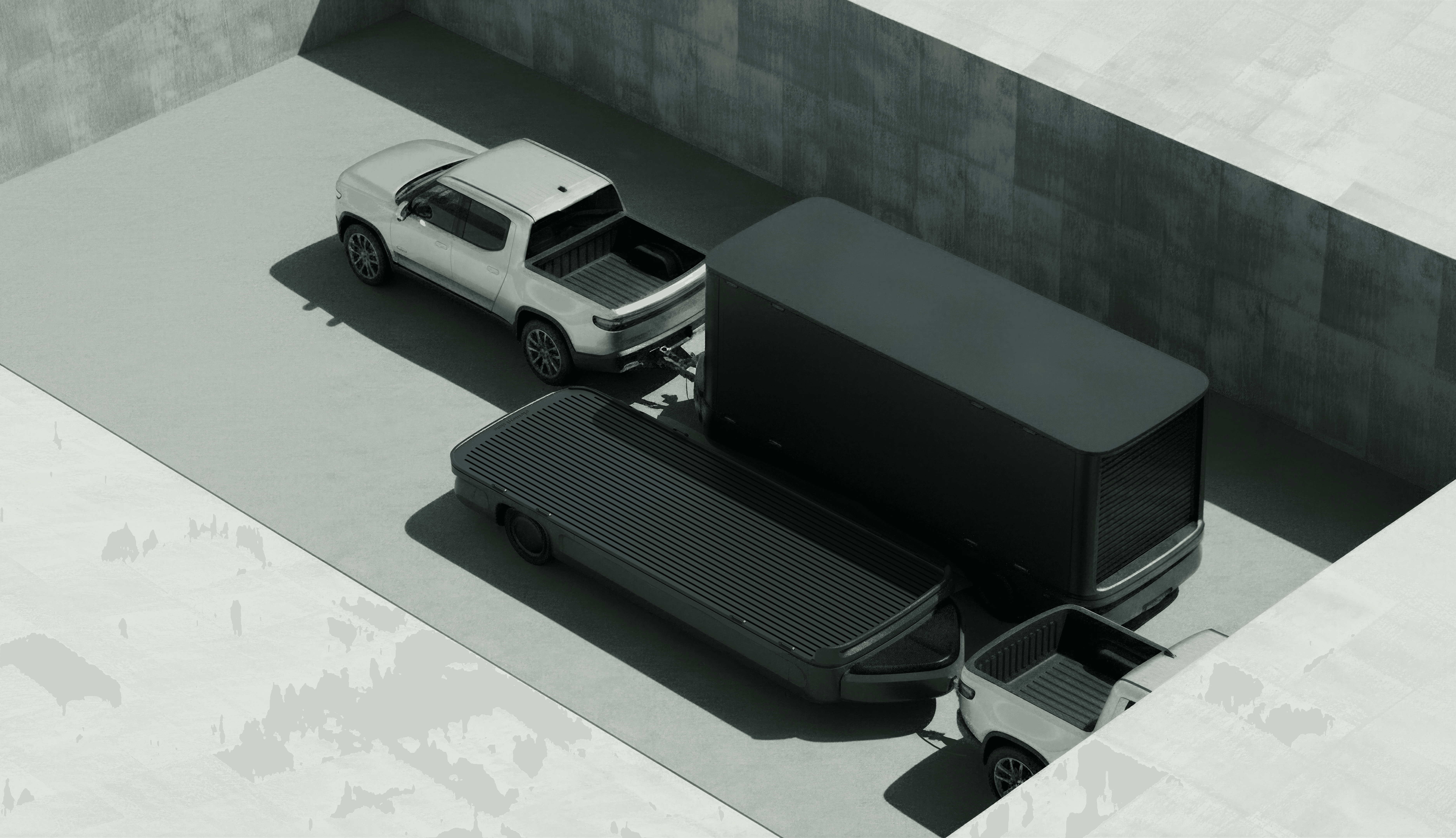
Although electric trucks like the Rivian R1T and Ford F-150 Lightning are popular, one core competency of trucks—towing—remains a challenge, as towing anything greatly decreases an EV’s range.
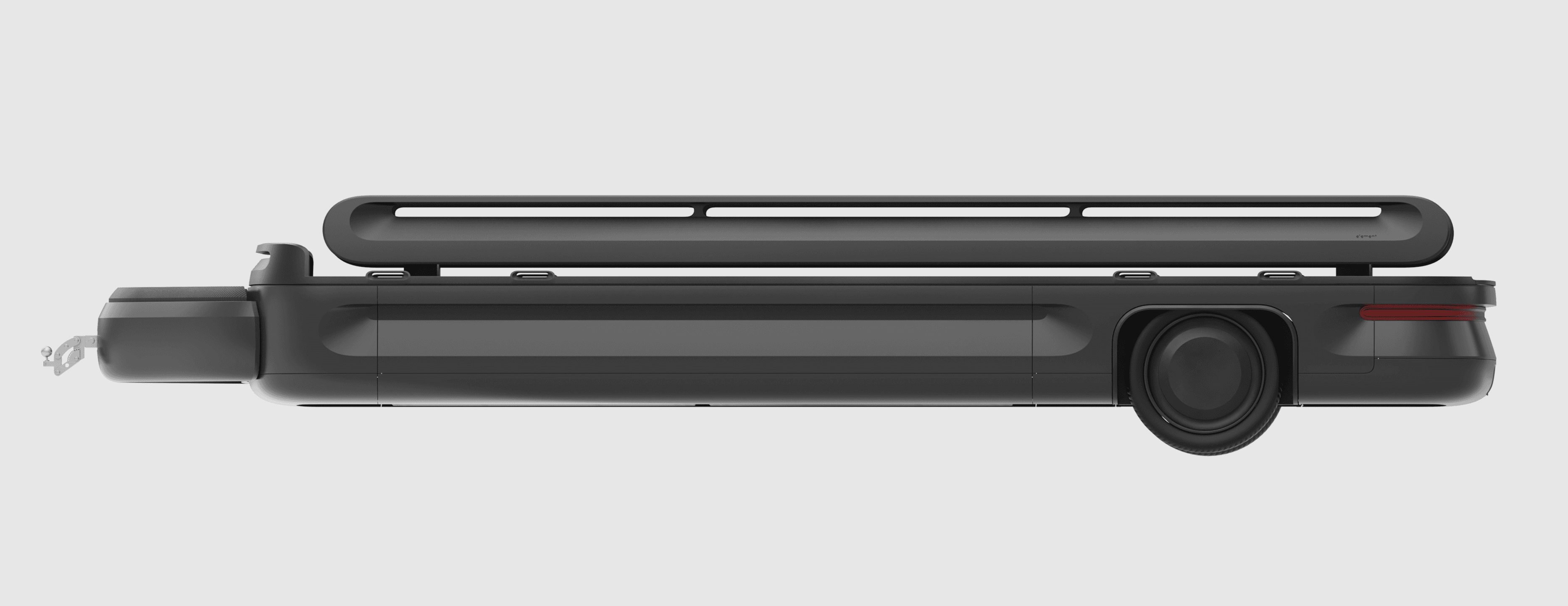
Element is a Seattle-based early stage startup developing commercial and consumer trailers specifically designed for EV trucks, with inbuilt motors and batteries that extend how far electric trucks can tow.
I joined the team early 2025, providing industrial design concept support for investor presentations and funding competitions. I worked within engineering and regulatory constraints to provide a direction and identity for the product.

Team
Sole Designer; Electrical and Mechanical Engineers, Business Development
Timeline
April 2025- November 2025 (ongoing)
Tools
Rhino, Autodesk Alias, SolidWorks, Keyshot, Sketching
001
The Brief
Element, also styled as Elementrailer, is an early stage startup founded by University of Washington students and alumni. They’re dedicated to revolutionizing EV towing by providing corporate and consumer clients with easy, safe, and beautiful motorized trailers. These trailers extend EV range by taking load off of the vehicle’s motor, and have dynamic load-sensitive throttle control technology to ensure safe operation.
Element has won variety of different startup pitch and design competitions.
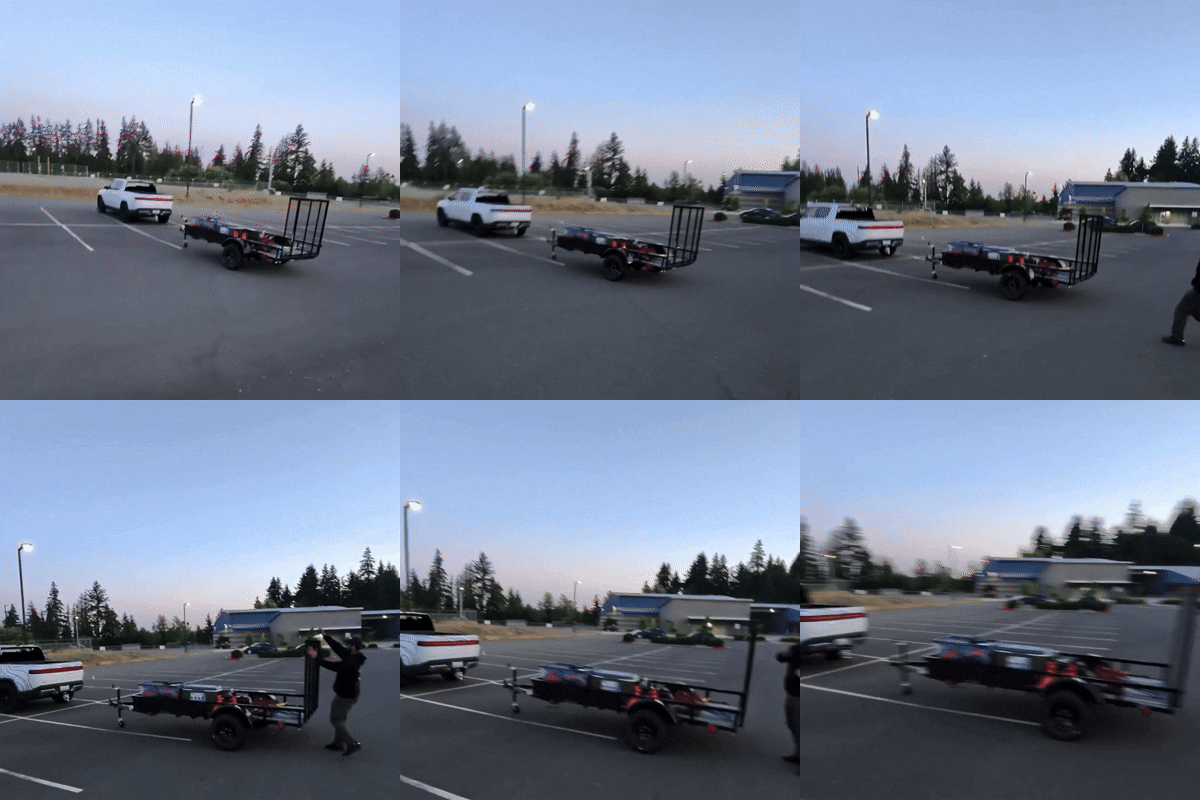
Working Prototype!
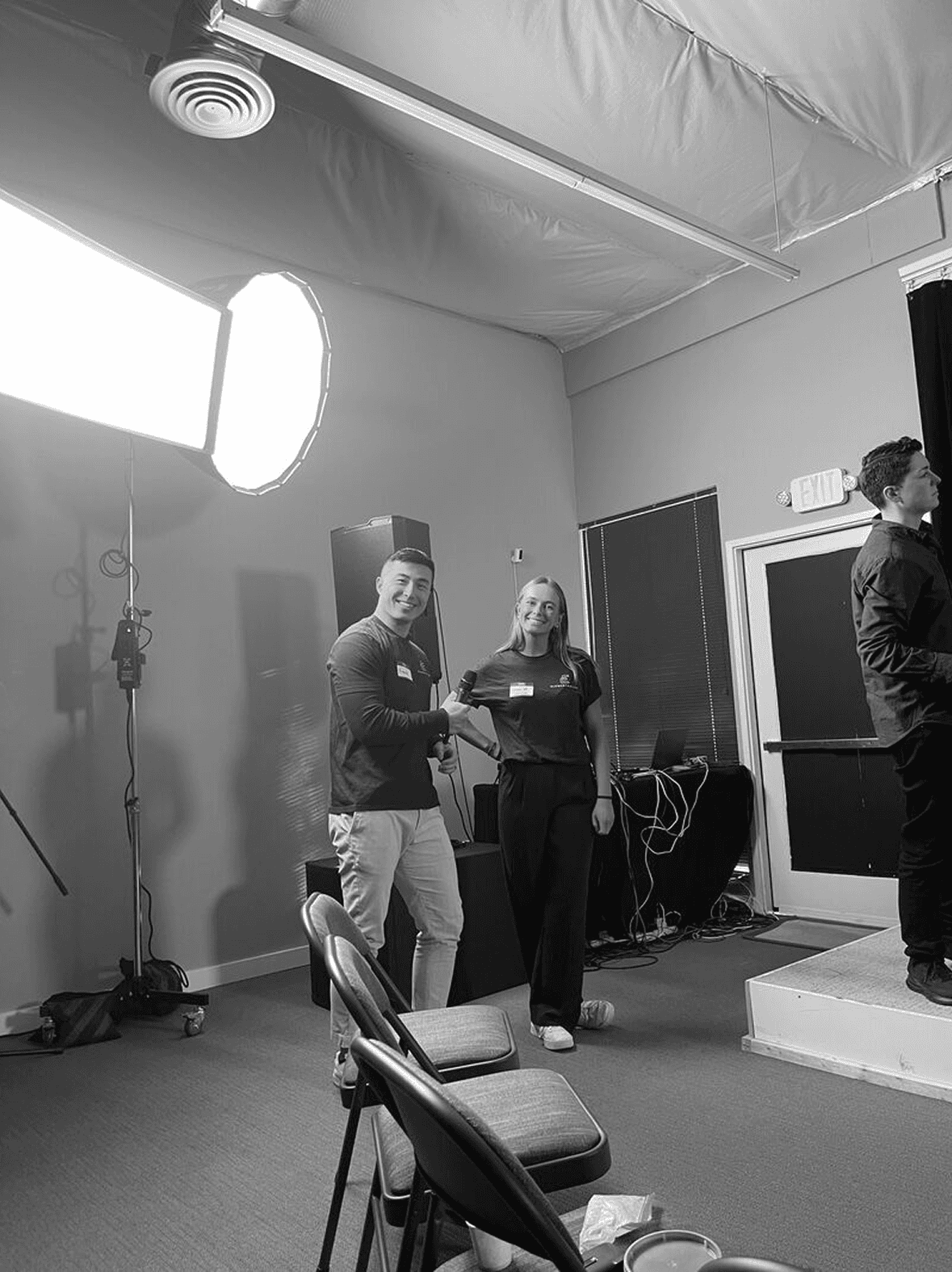
Founder Frank LIn
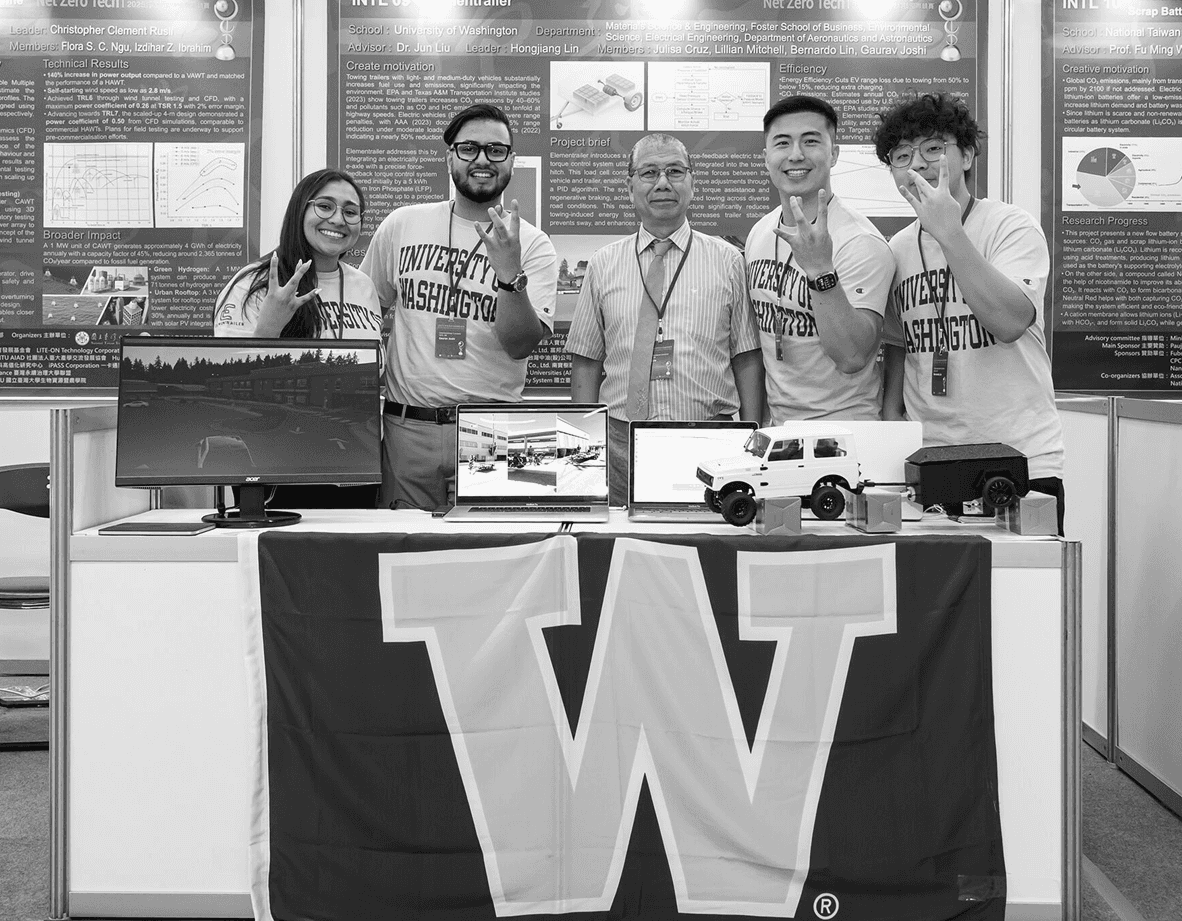
Element at Net Zero Tech International Contest, hosted by TECO Technology Foundation at National Taiwan University.
002
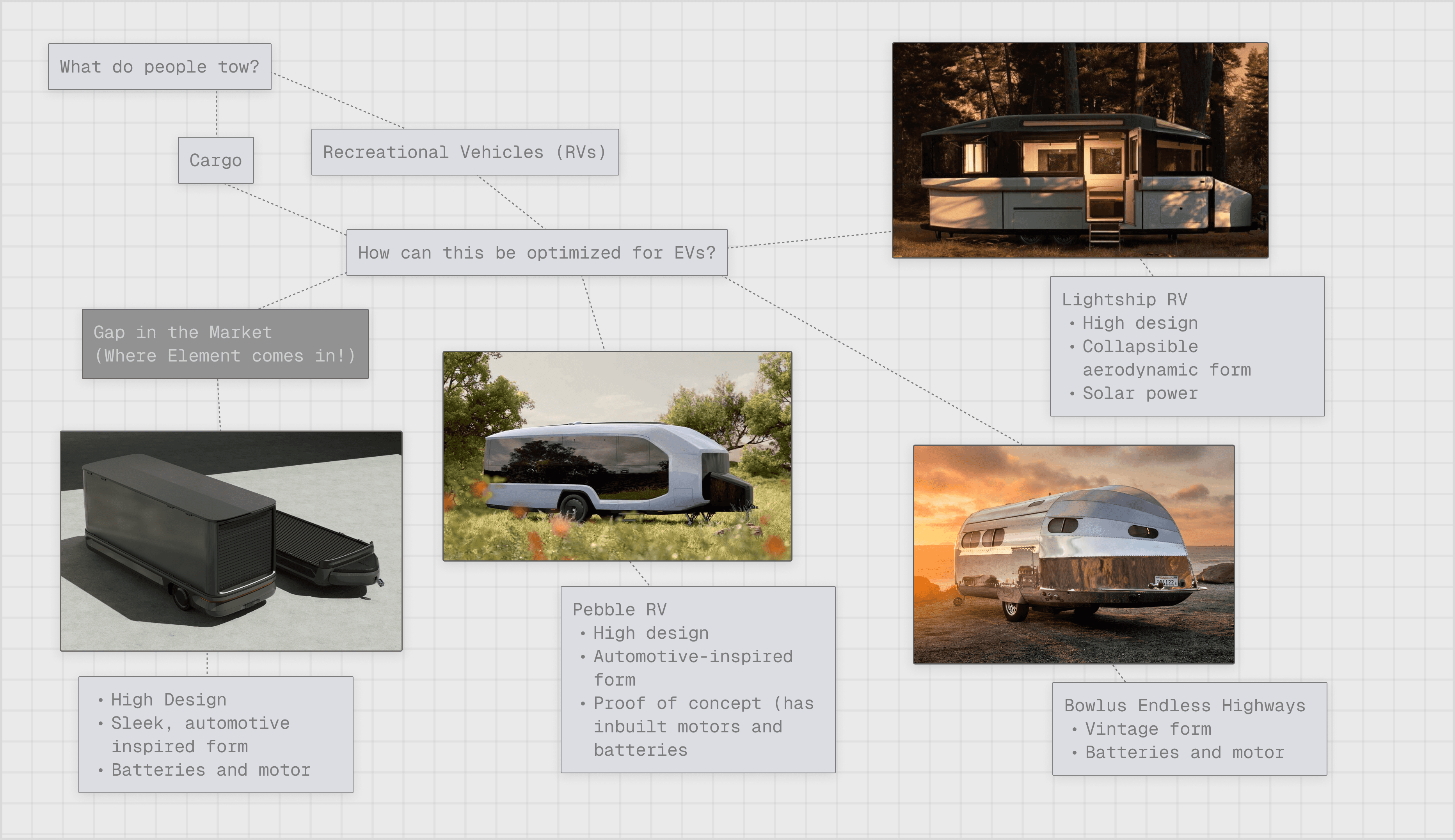
Competitive Analysis
1.3 million+ electric vehicles sold in 2024
~50% of light- and heavy-duty truck owners use their trucks to tow cargo
7 new entrants to the EV truck space in the last 5 years
20% - 60% loss of EV range when towing, depending on terrain and payload
7
003
Engineering Considerations
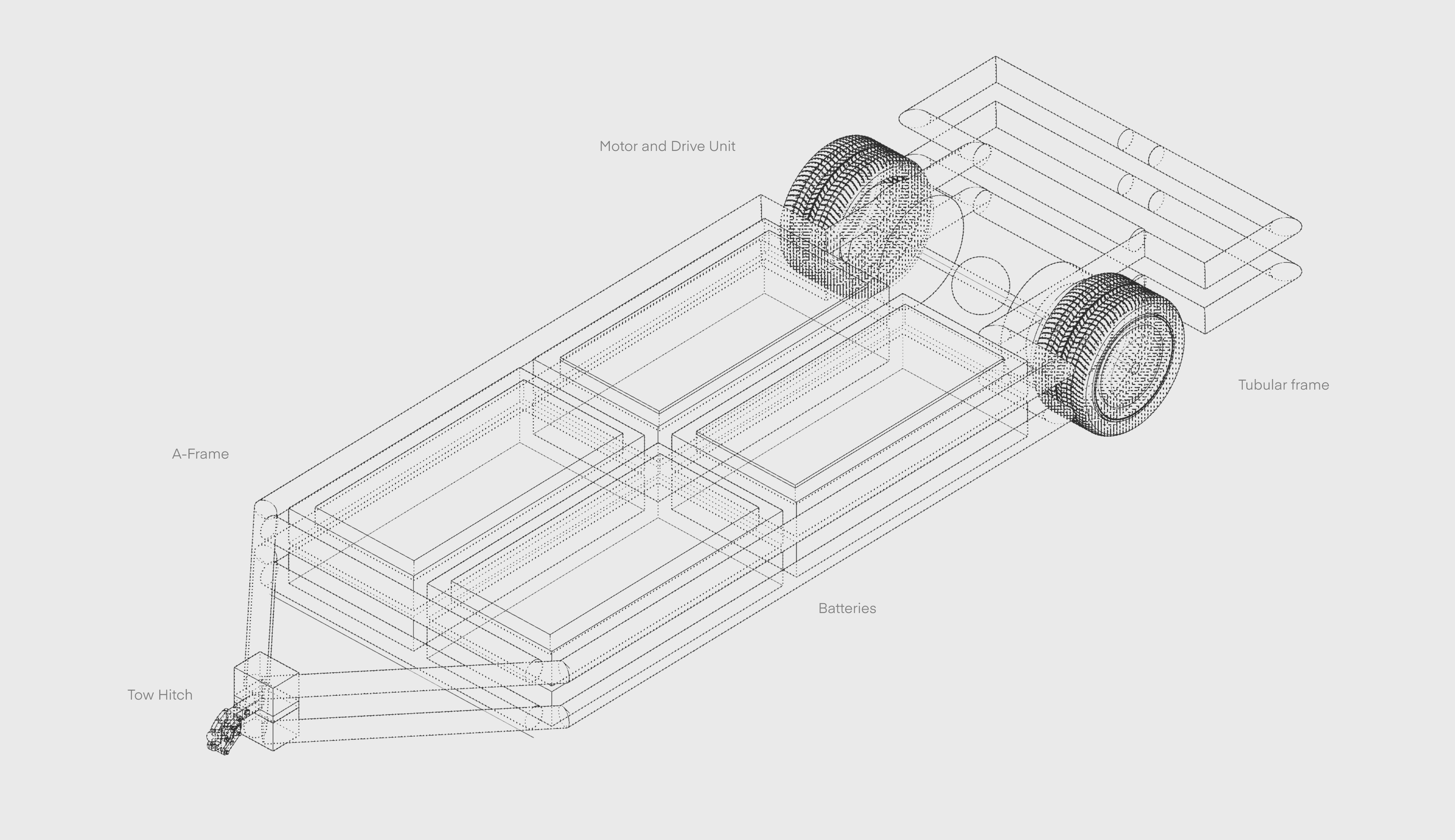
Element engineers provided a set of dimensions and engineering constraints, based upon ensuring excellent crash safety, battery capacity and size, and trailer payload capacity.
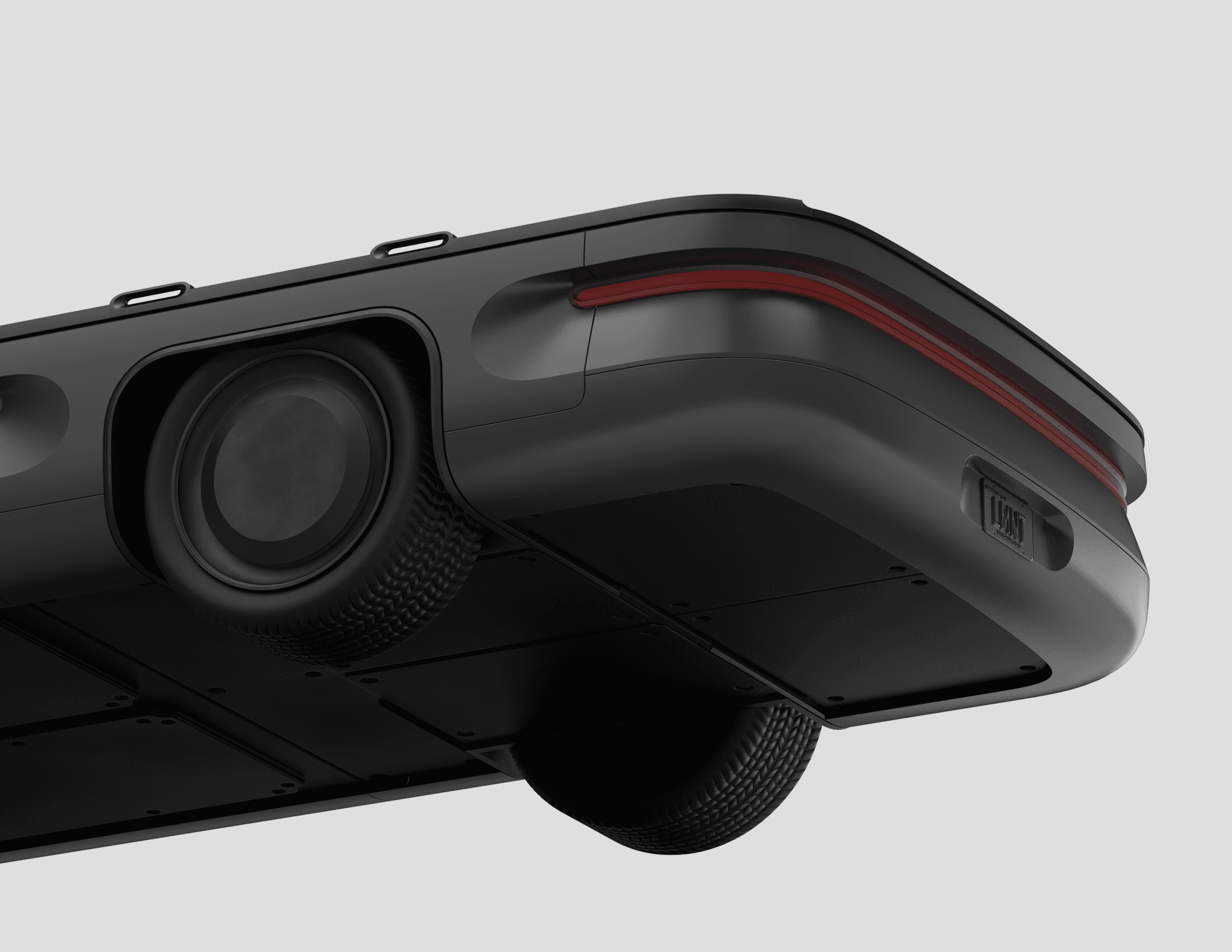
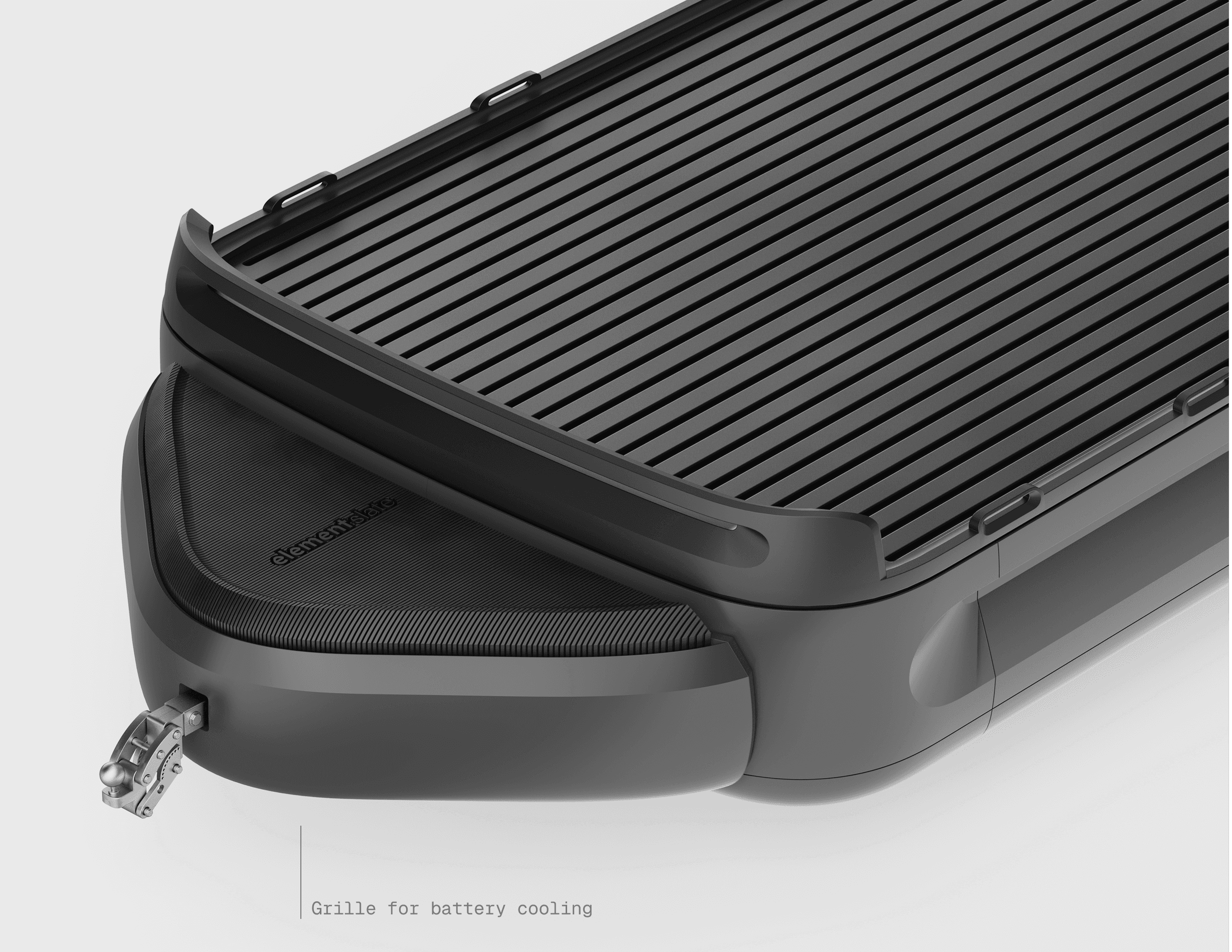
Additionally, the batteries required some sort of functional air vent for cooling, airflow to extend their useful life and prevent overheating.
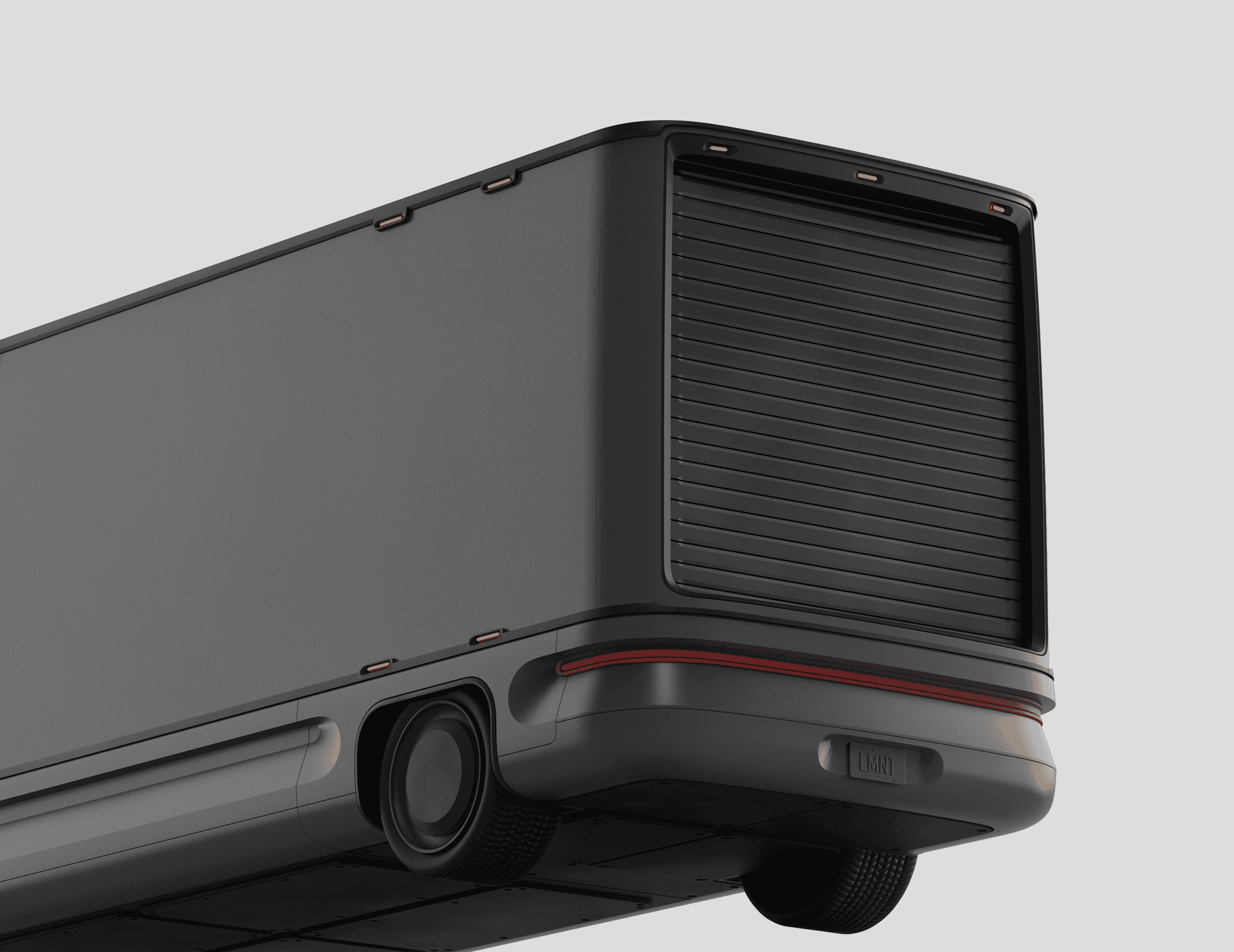
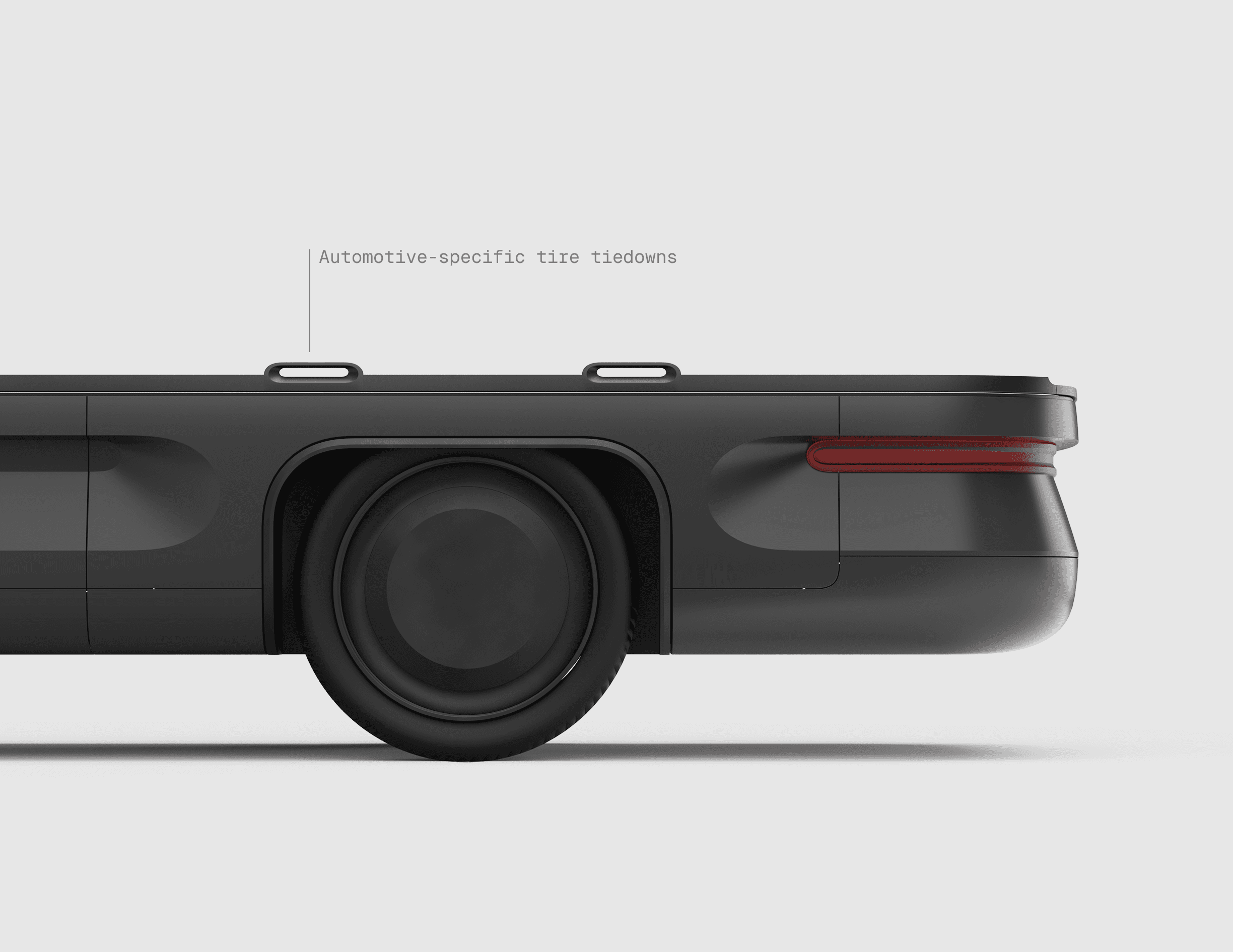
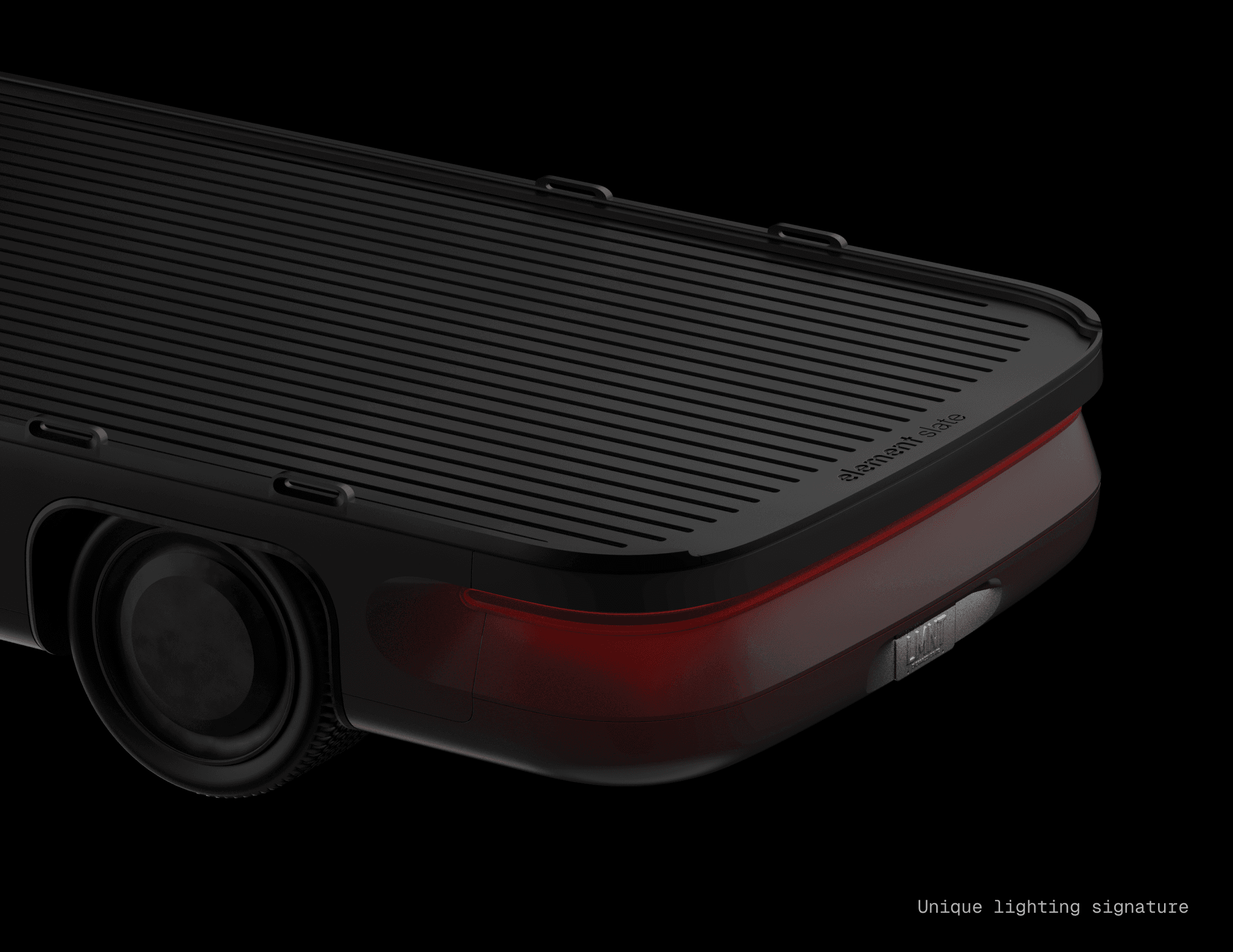
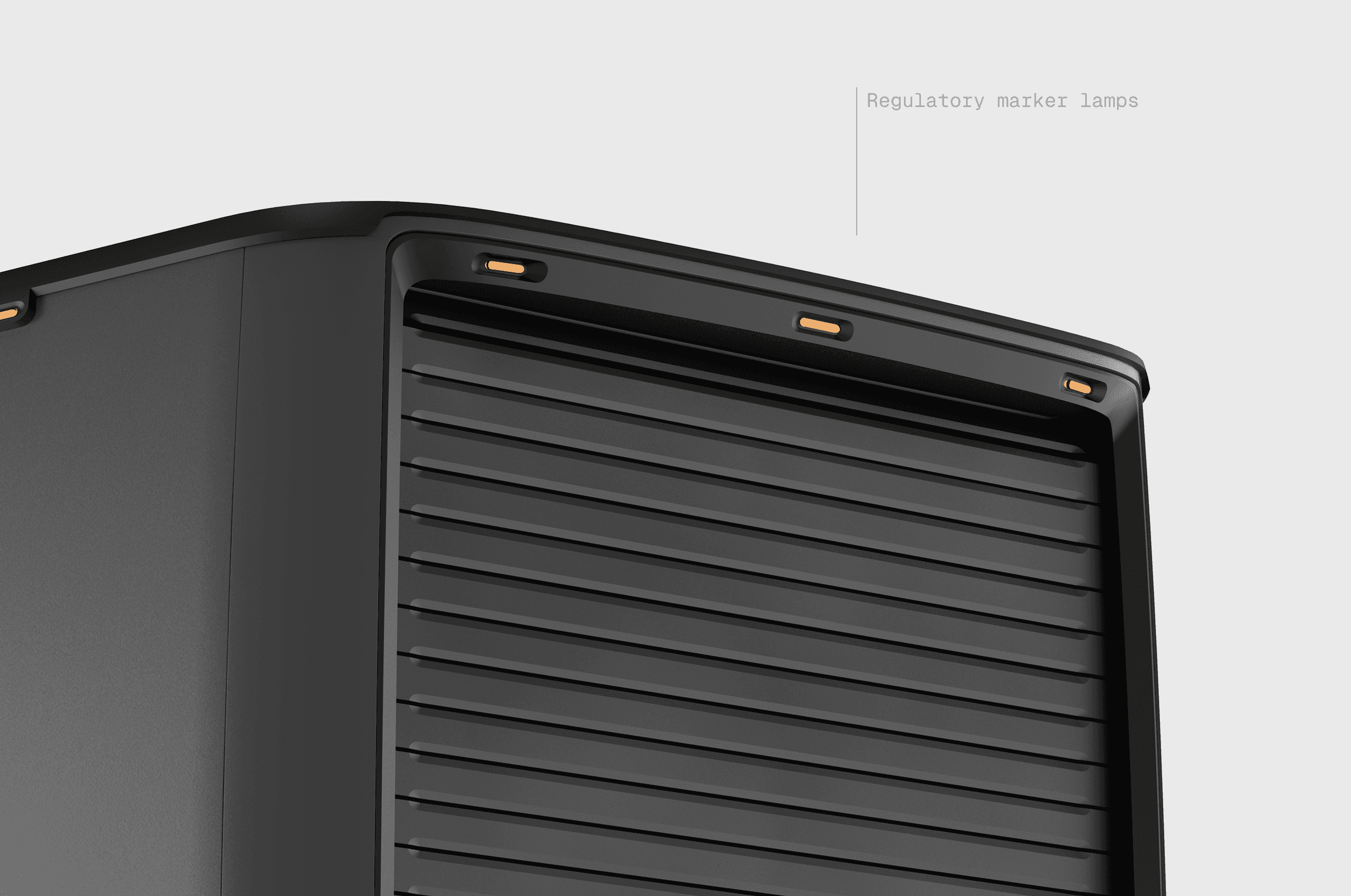
Pursuant to USDOT FMVSS No. 108, the trailer also had to have marker lights, reflectors, and rear taillights.
004
Design Considerations
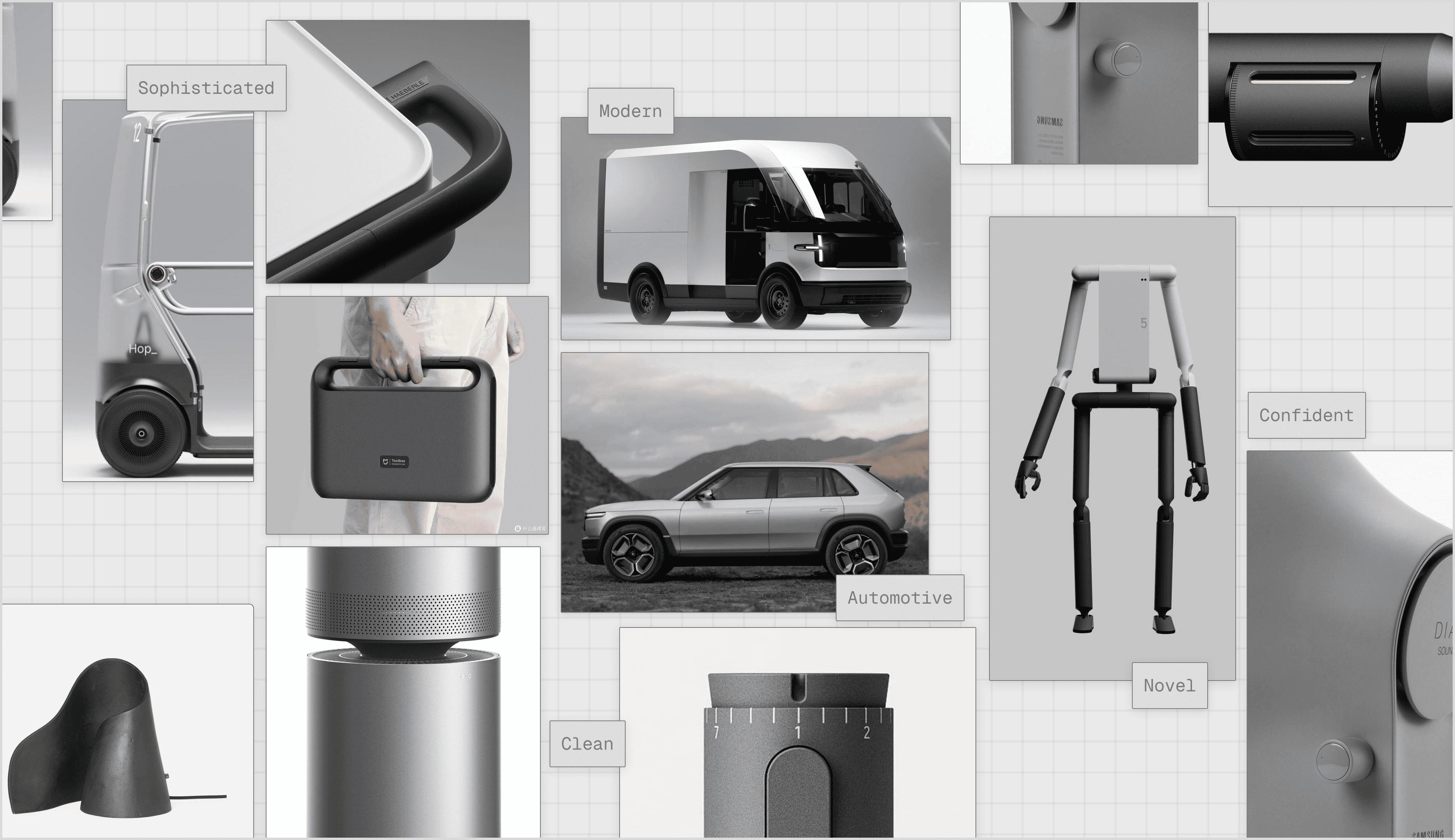
The overarching design goal for Element is that, as a tool, it shouldn’t draw extreme attention to itself, but should offer thoughtfulness and sophistication in every detail to those who choose to look closer. It should look right at home behind the contemporary electric vehicles, and should have clear automotive-inspired form.
thoughtful + elegant + functional + minimalistic + futuristic
005
Ideation
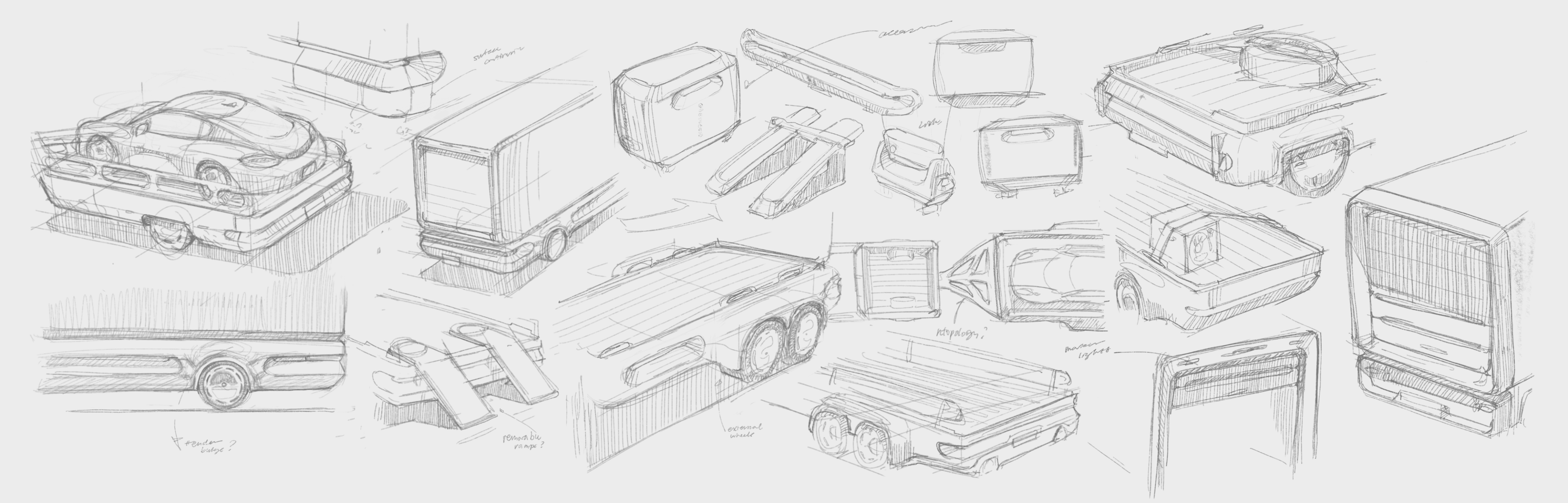
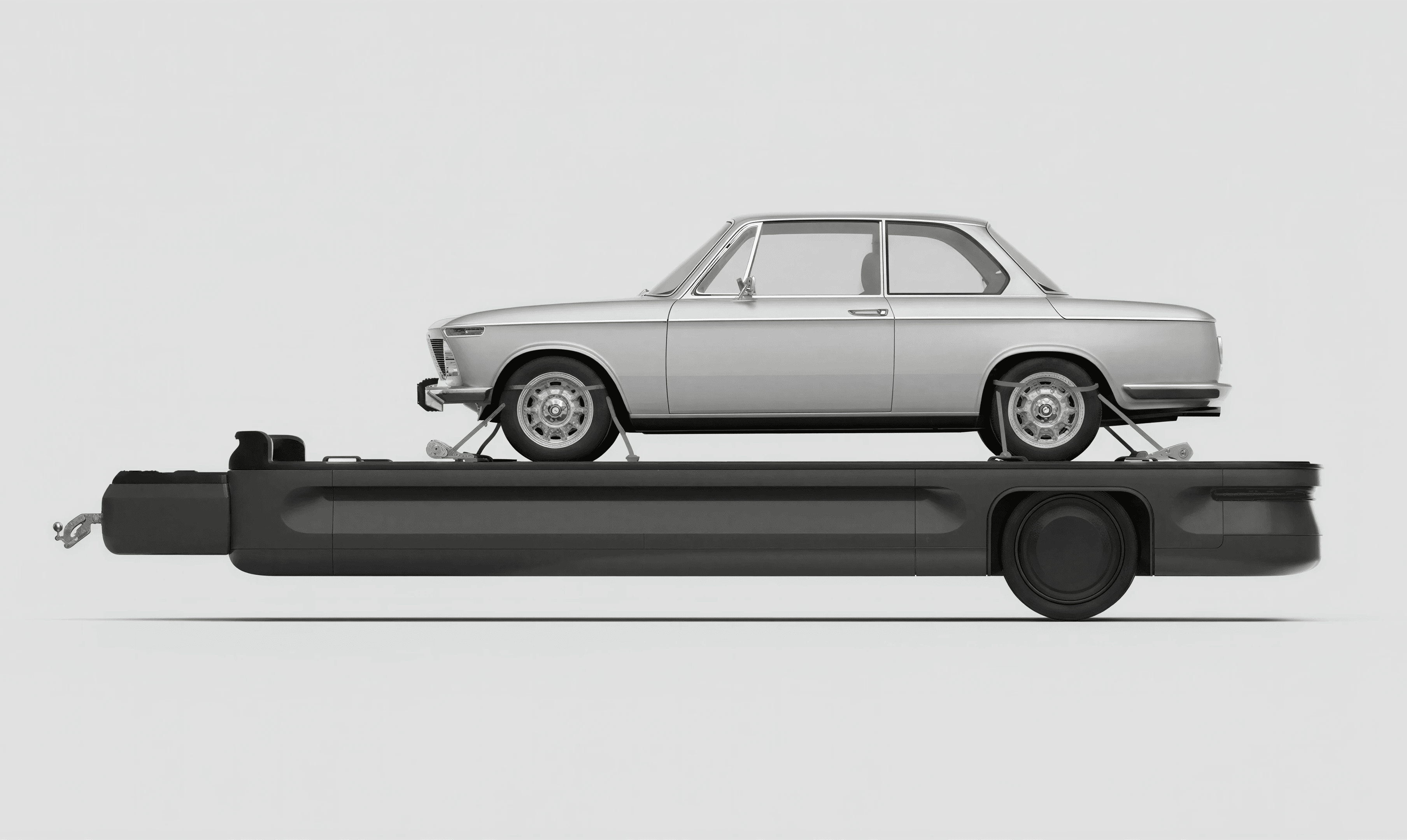
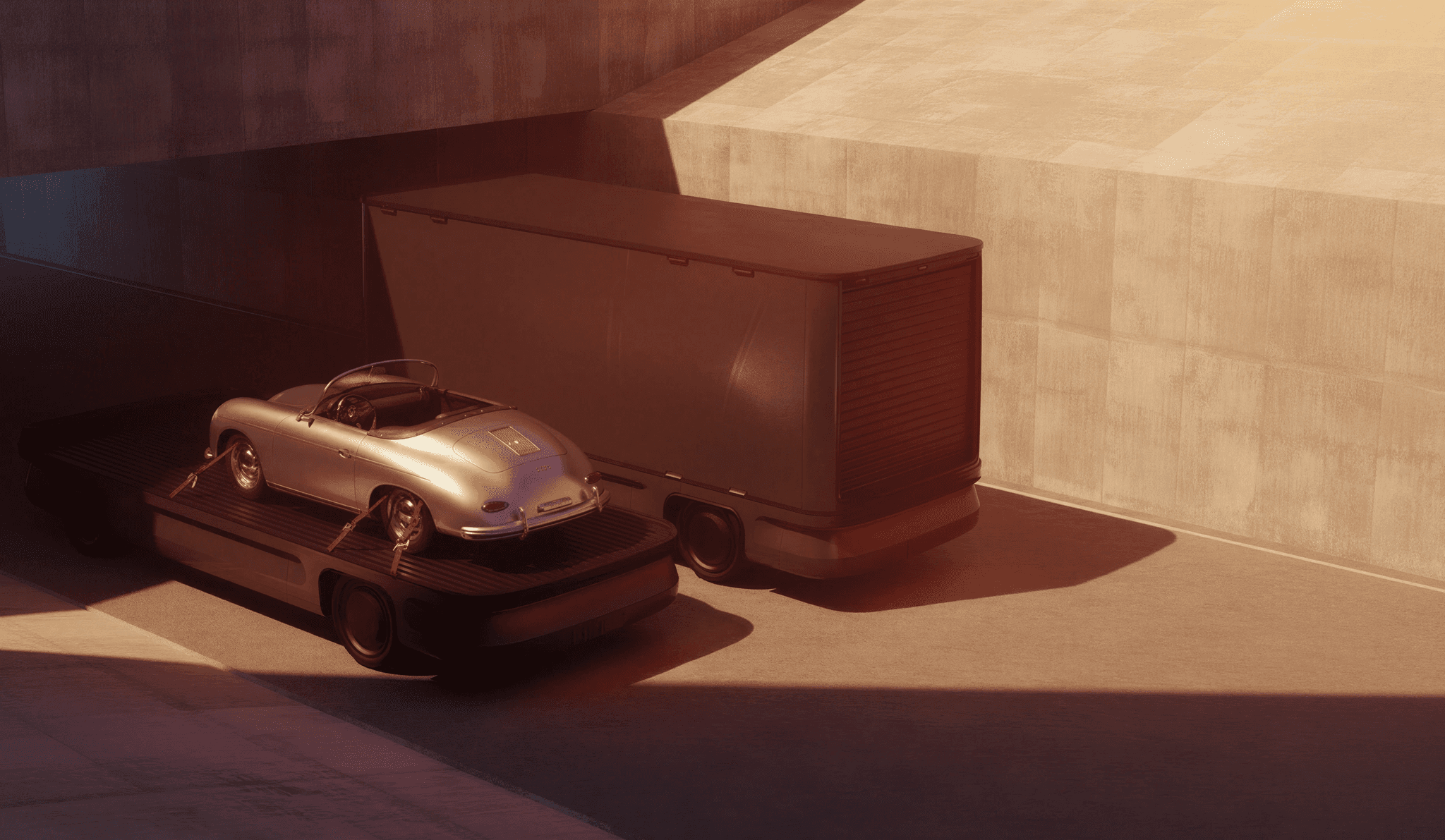
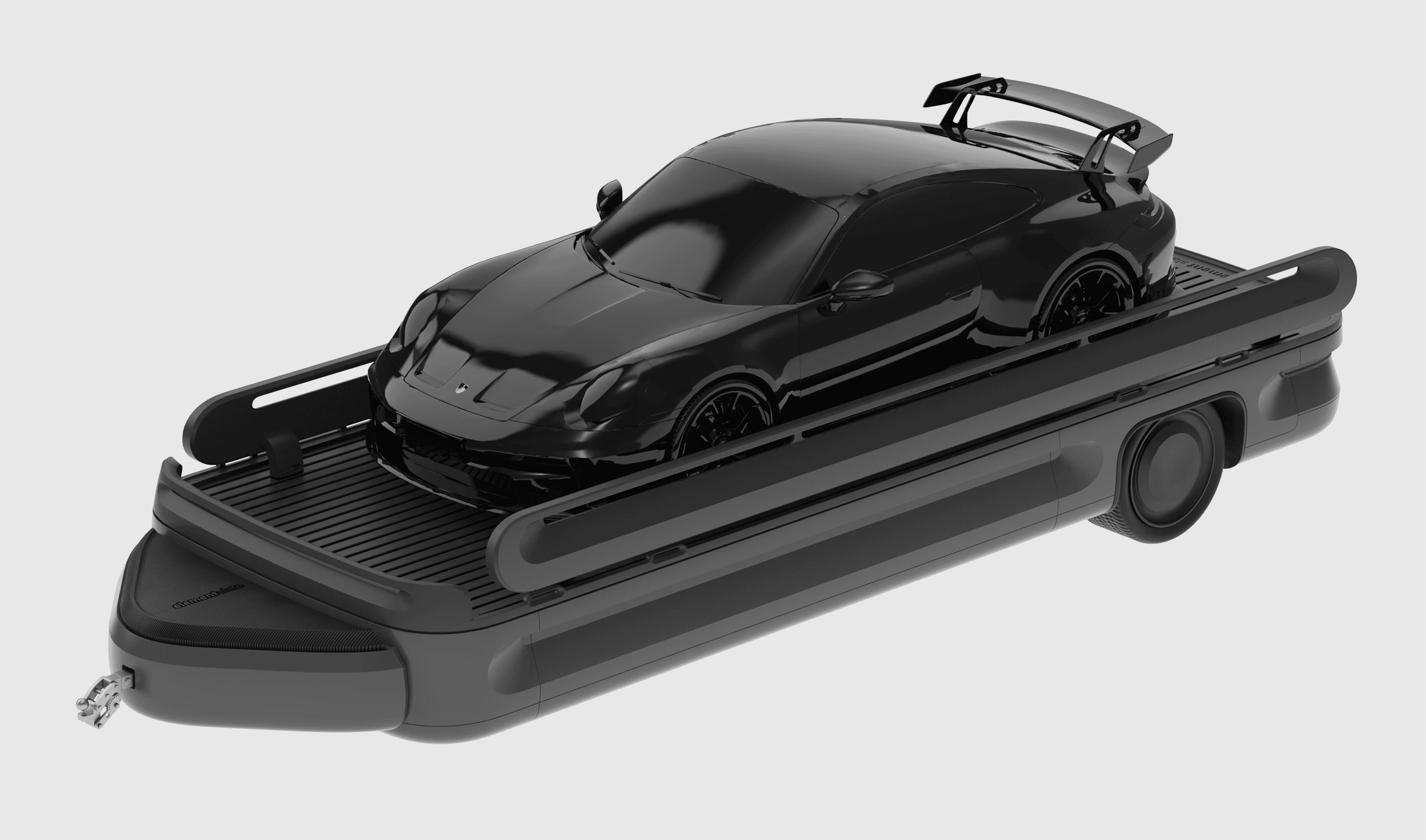
Car towing was an identified possible use case, so I focused on ways to manage car-specific barriers and tiedown points.
I ideated different accessories to fit within the Element ecosystem
An A-frame design direction we explored was utilizing nTopology’s organic procedural forms.
I knew I wanted a long, thin lightbar, but I explored some other light treatment options.
006
Element Slate
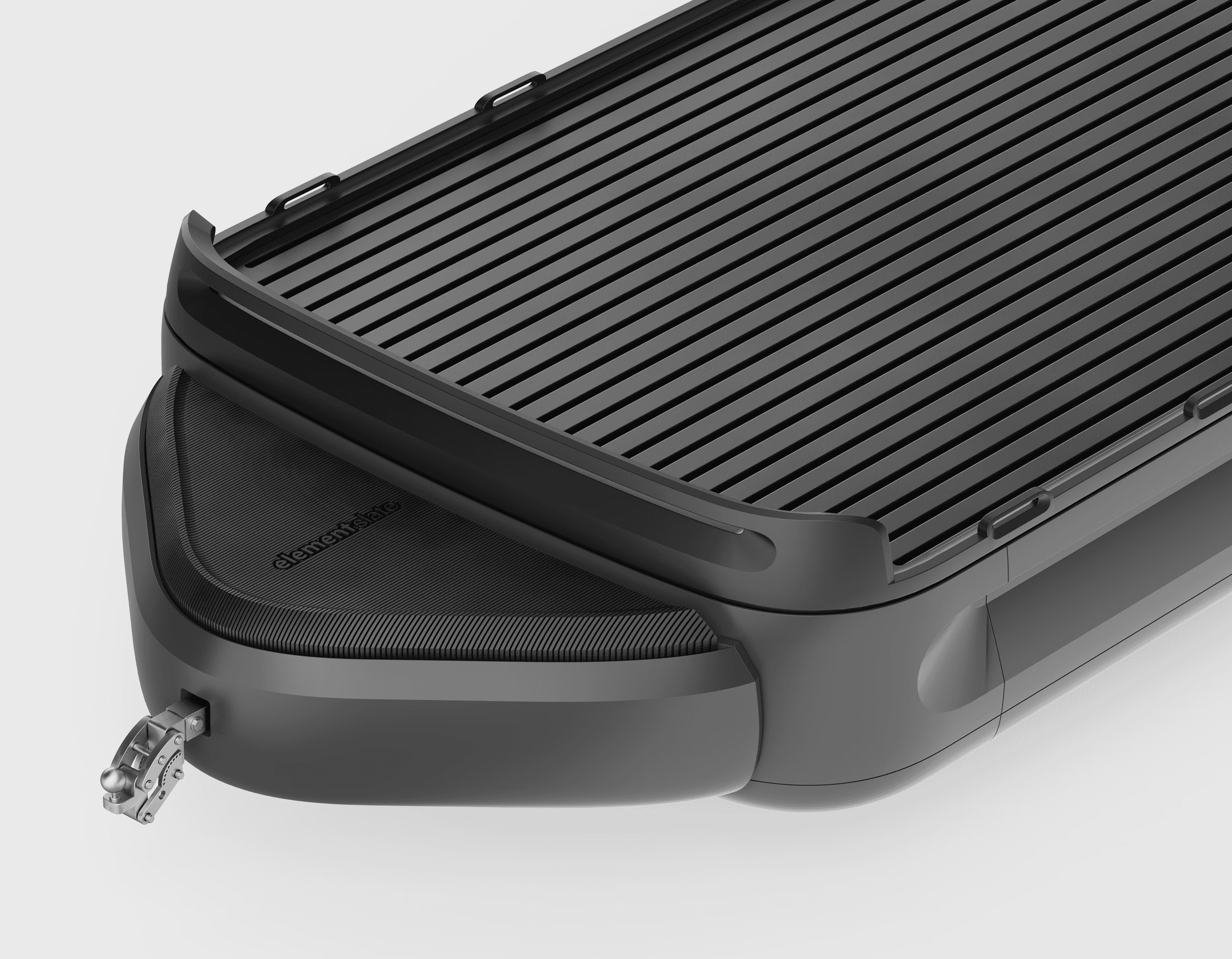
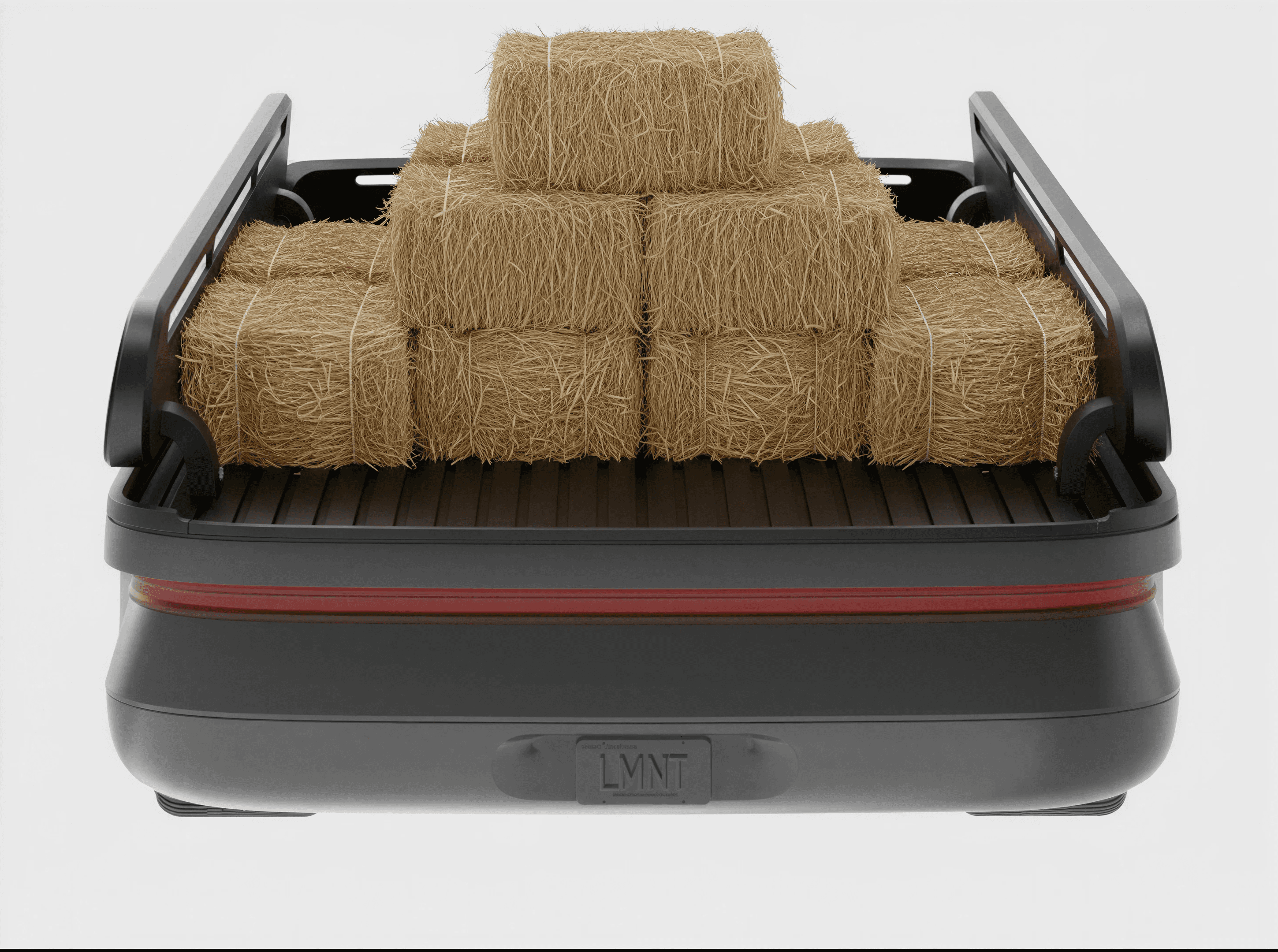
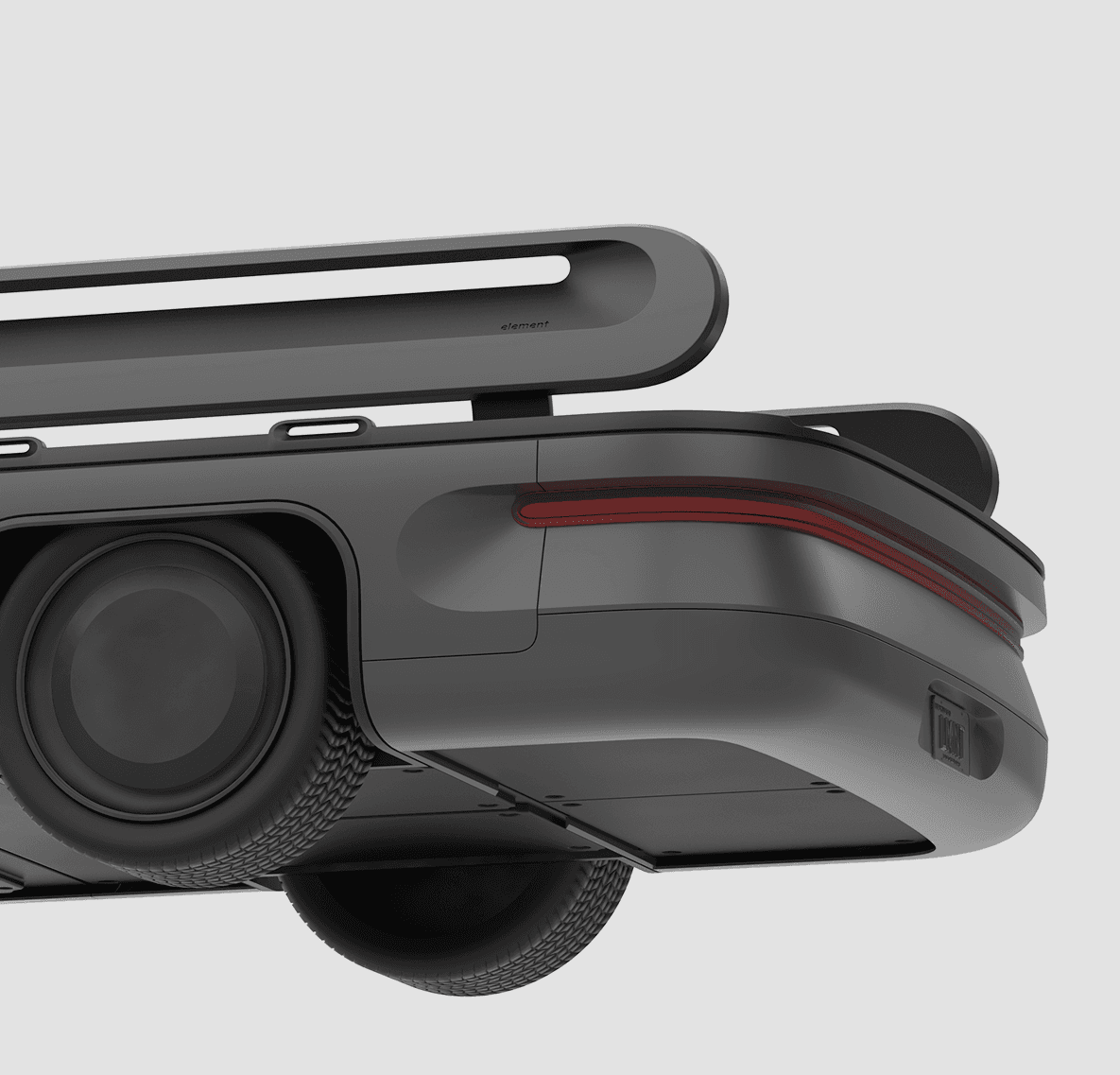
Element’s product line is split into two main veins: flatbed and enclosed. The flatbed version of the trailer is called Slate, and it’s designed to be a blank canvas for all of our users’ hauling needs.
007
Element Silo
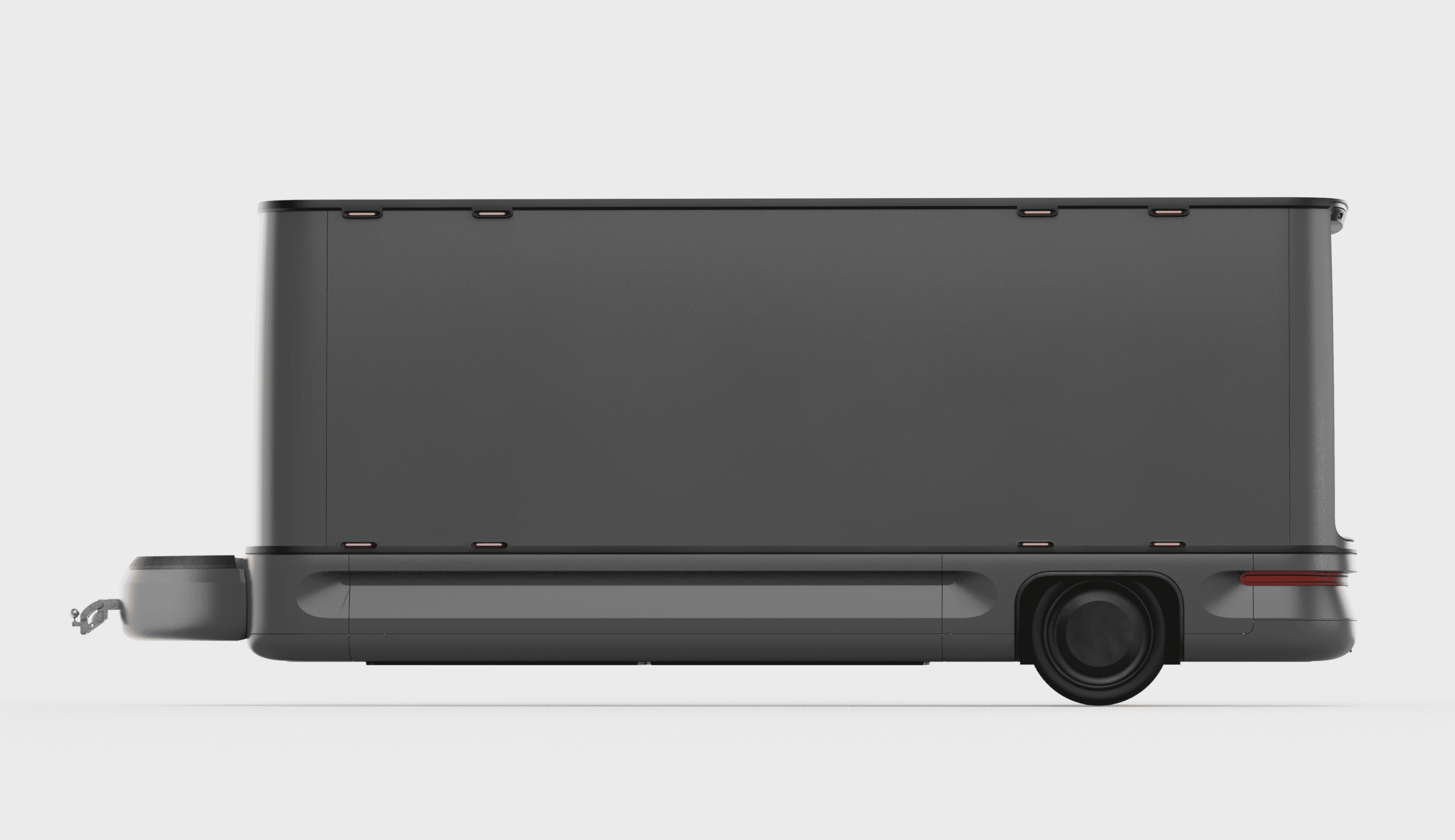
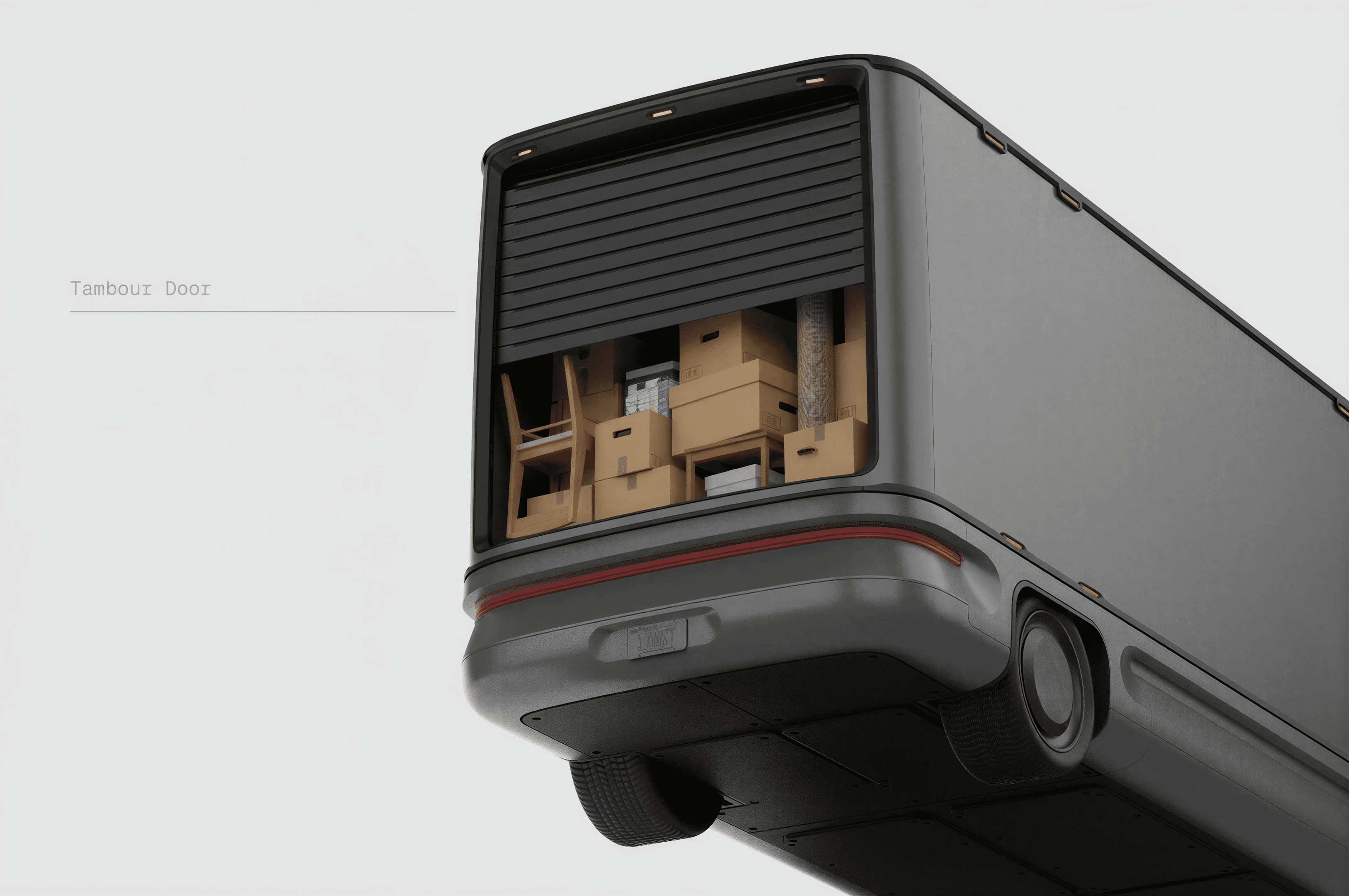
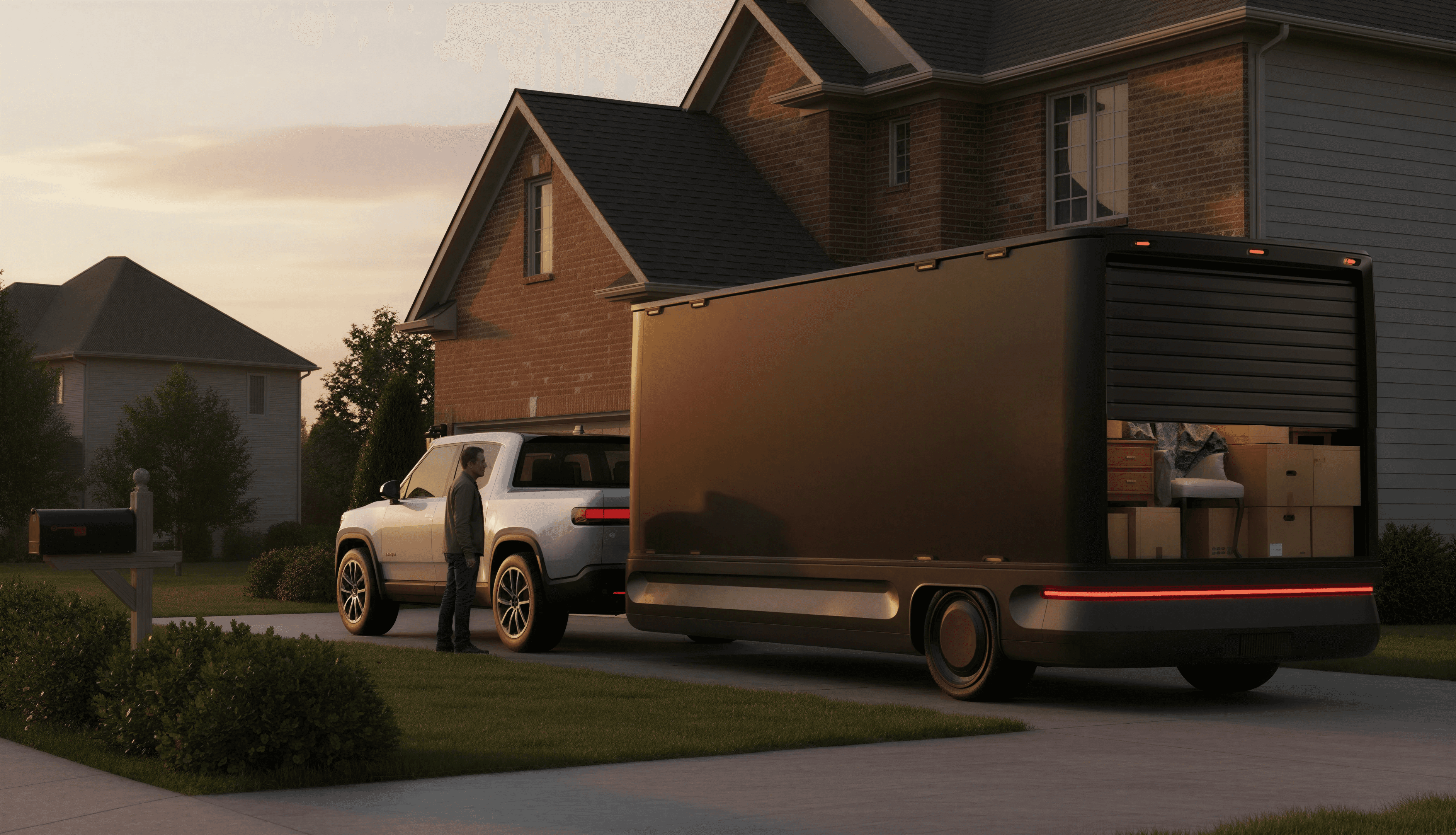
Silo is the enclosed version of Element, complete with a garage-style hinged door. This version has more regulatory requirements for side and dead-on amber marker lights.
008
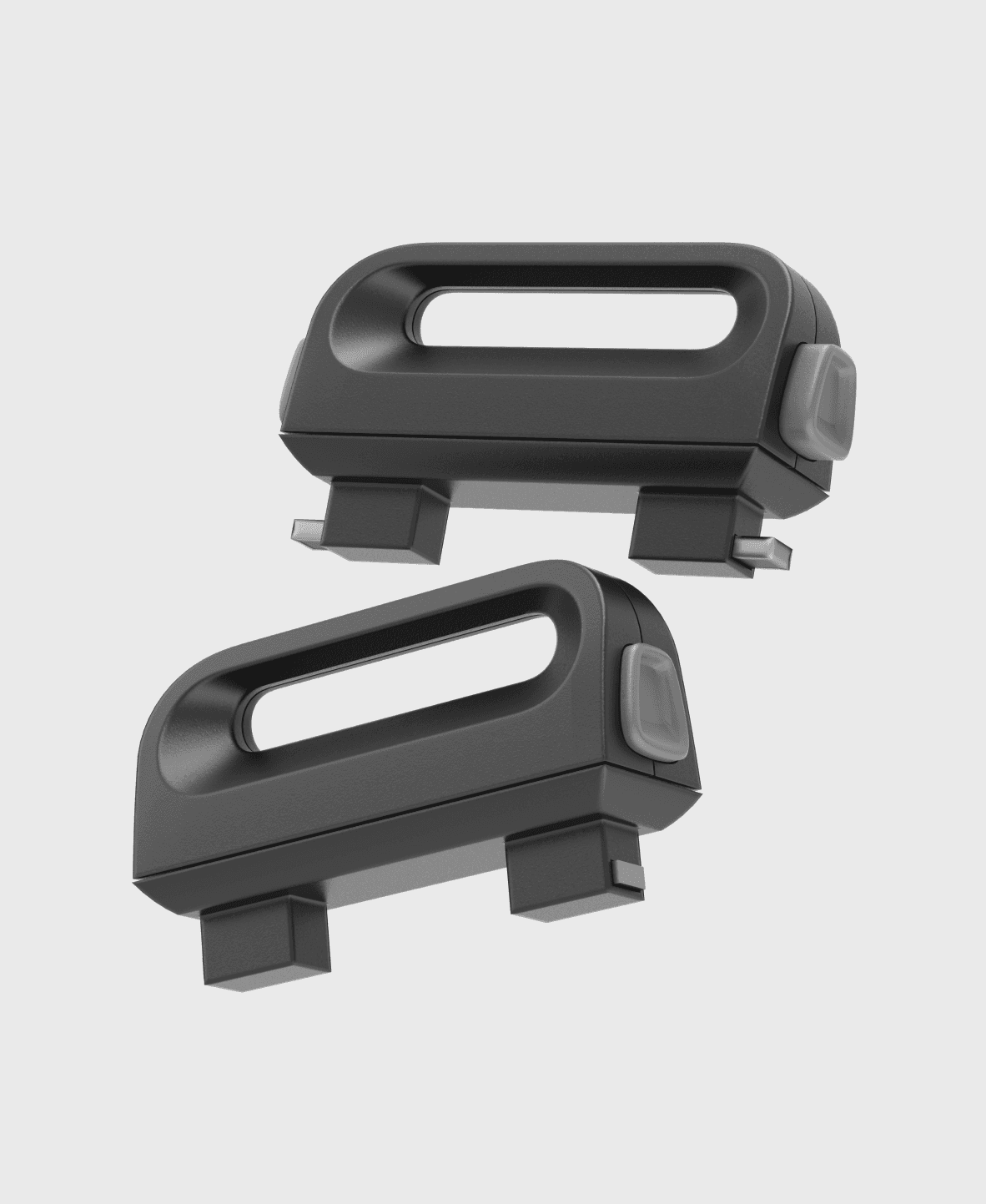
Element Modular Tiedowns
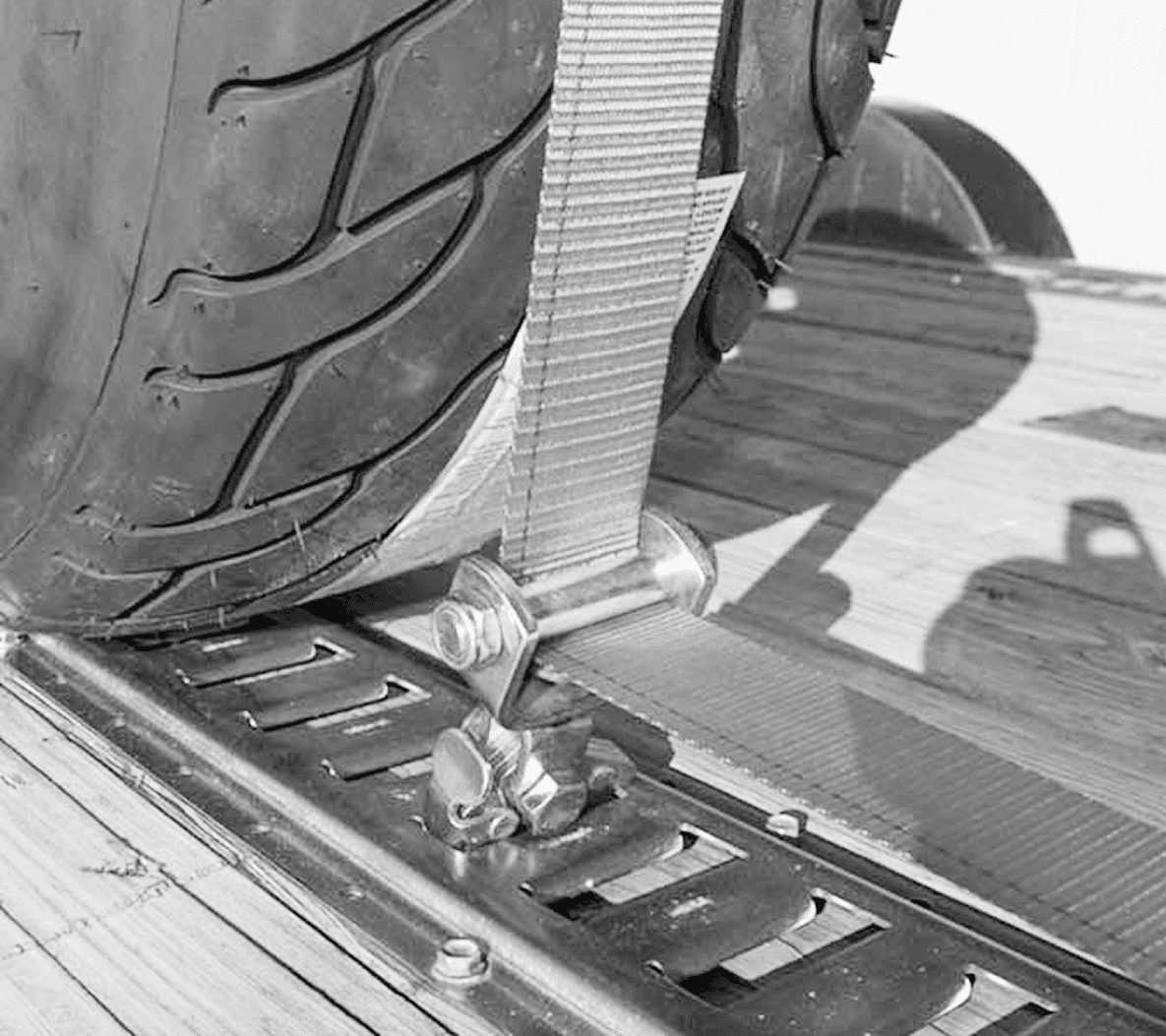
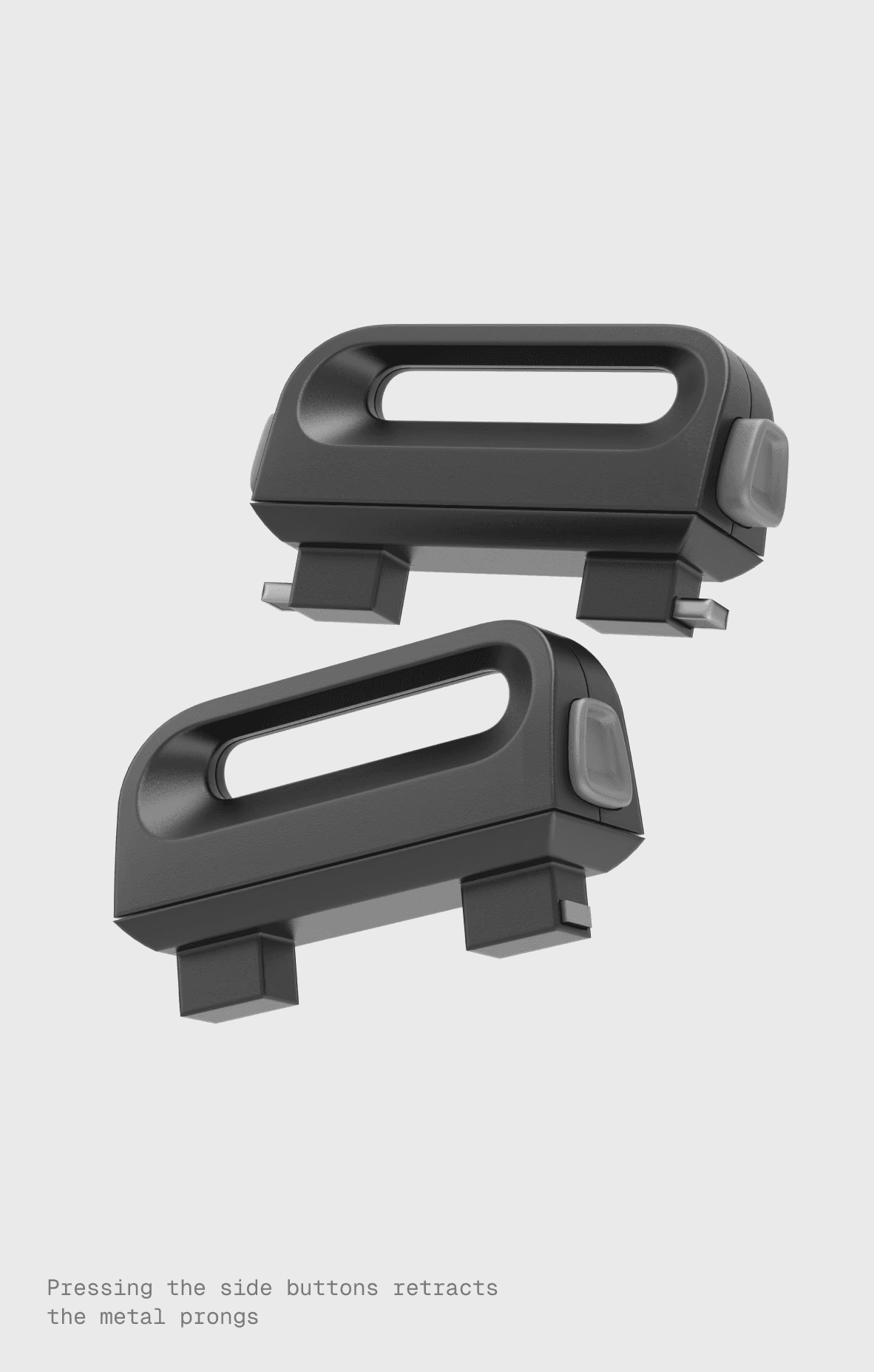
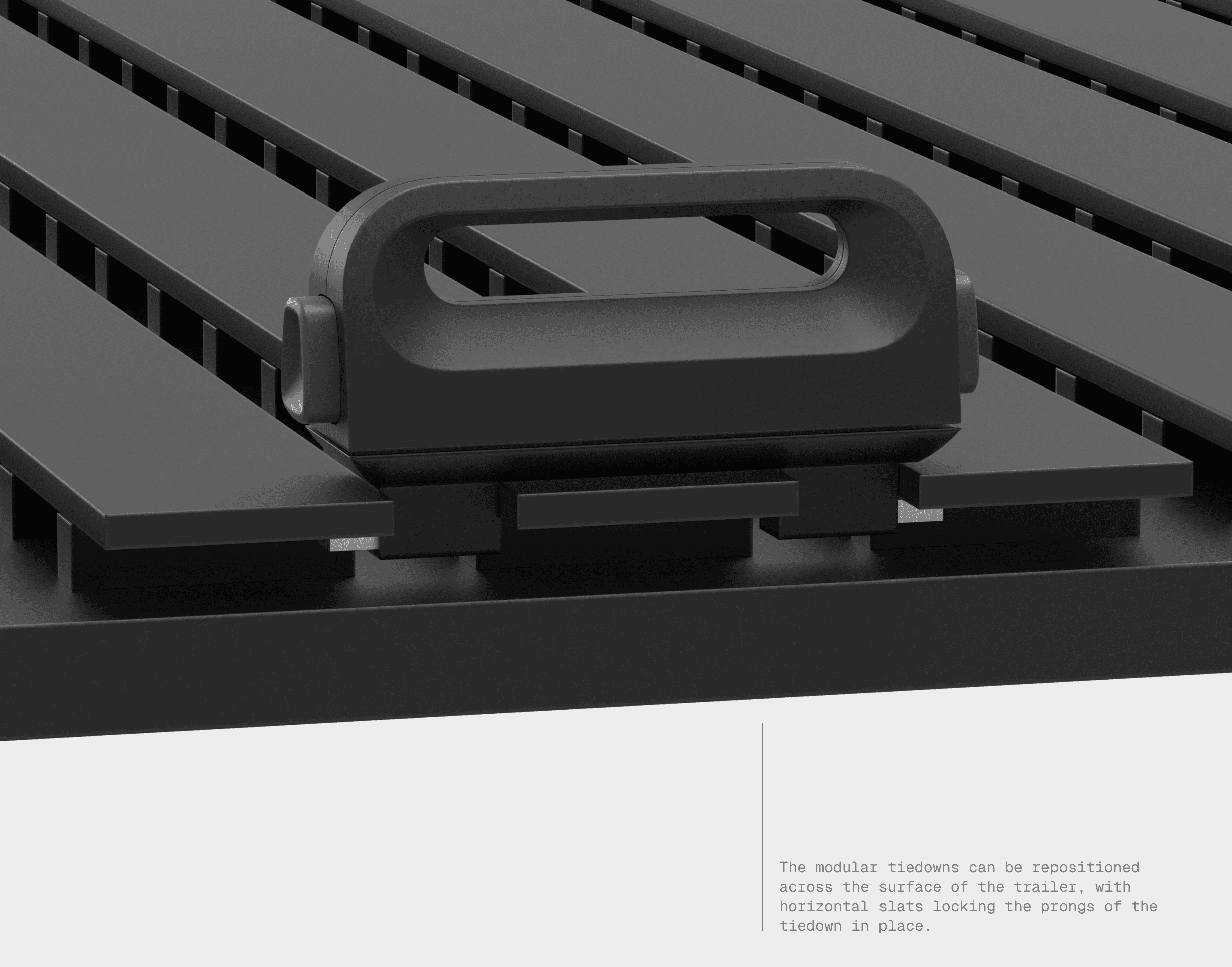
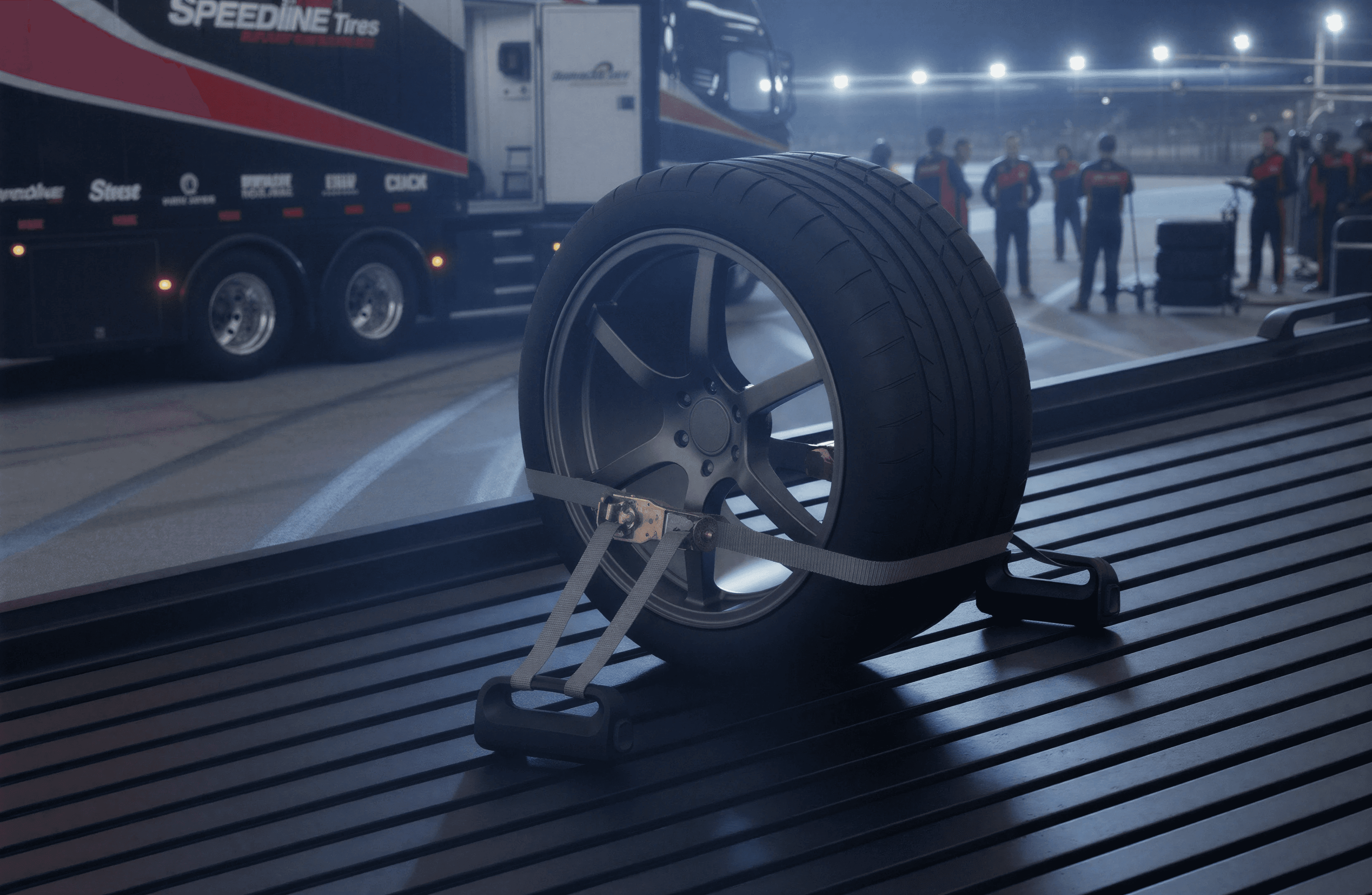
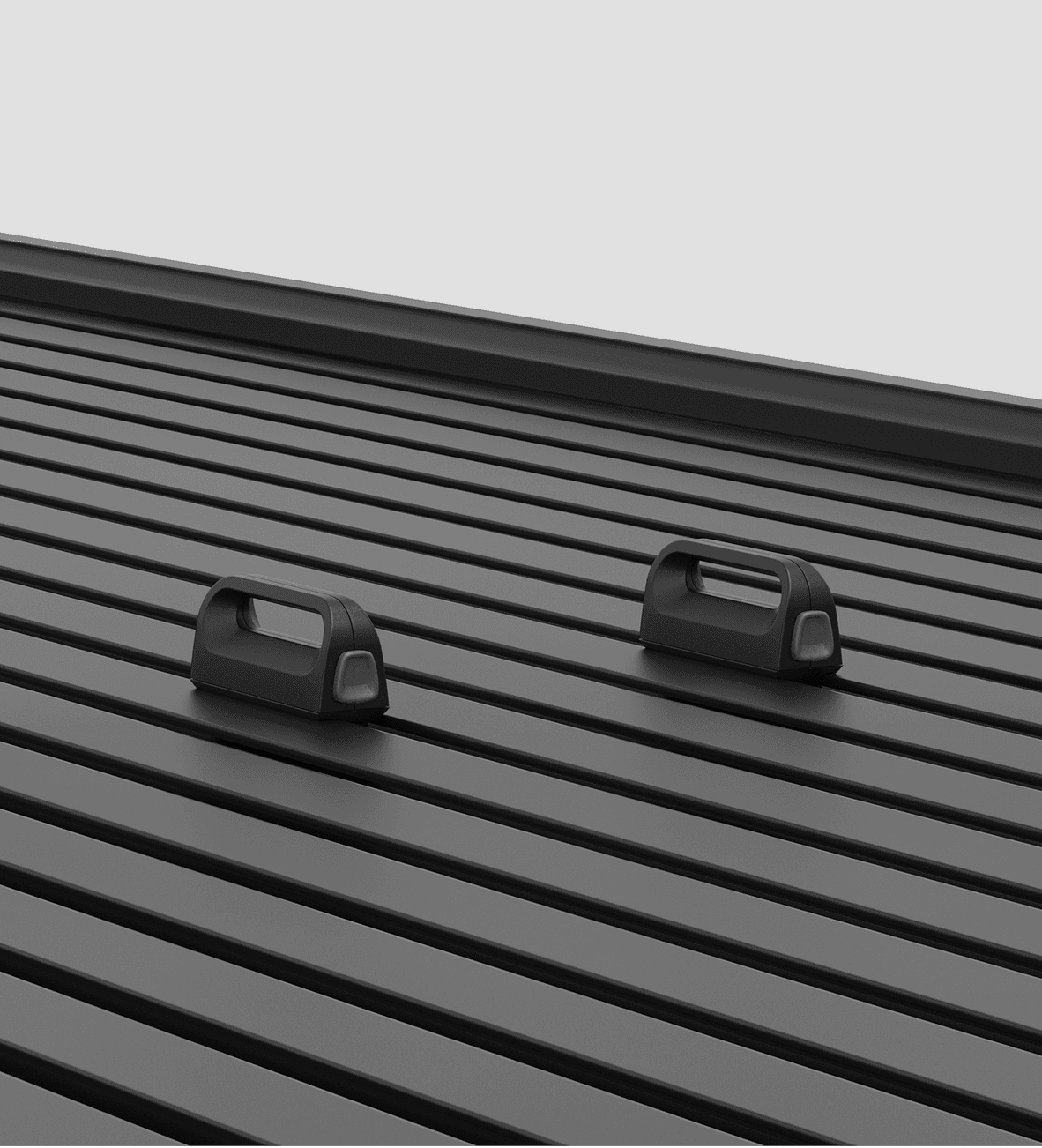
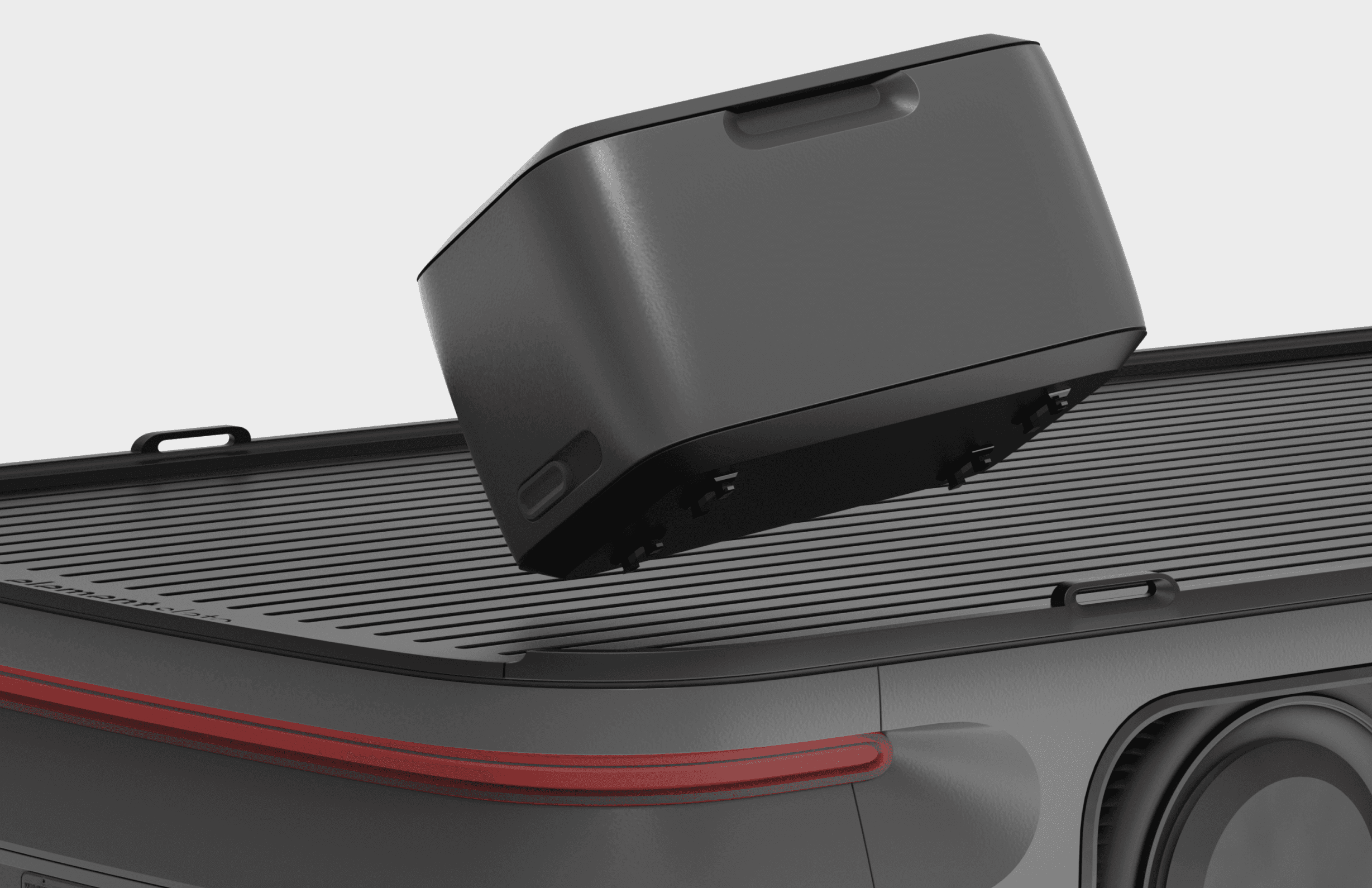
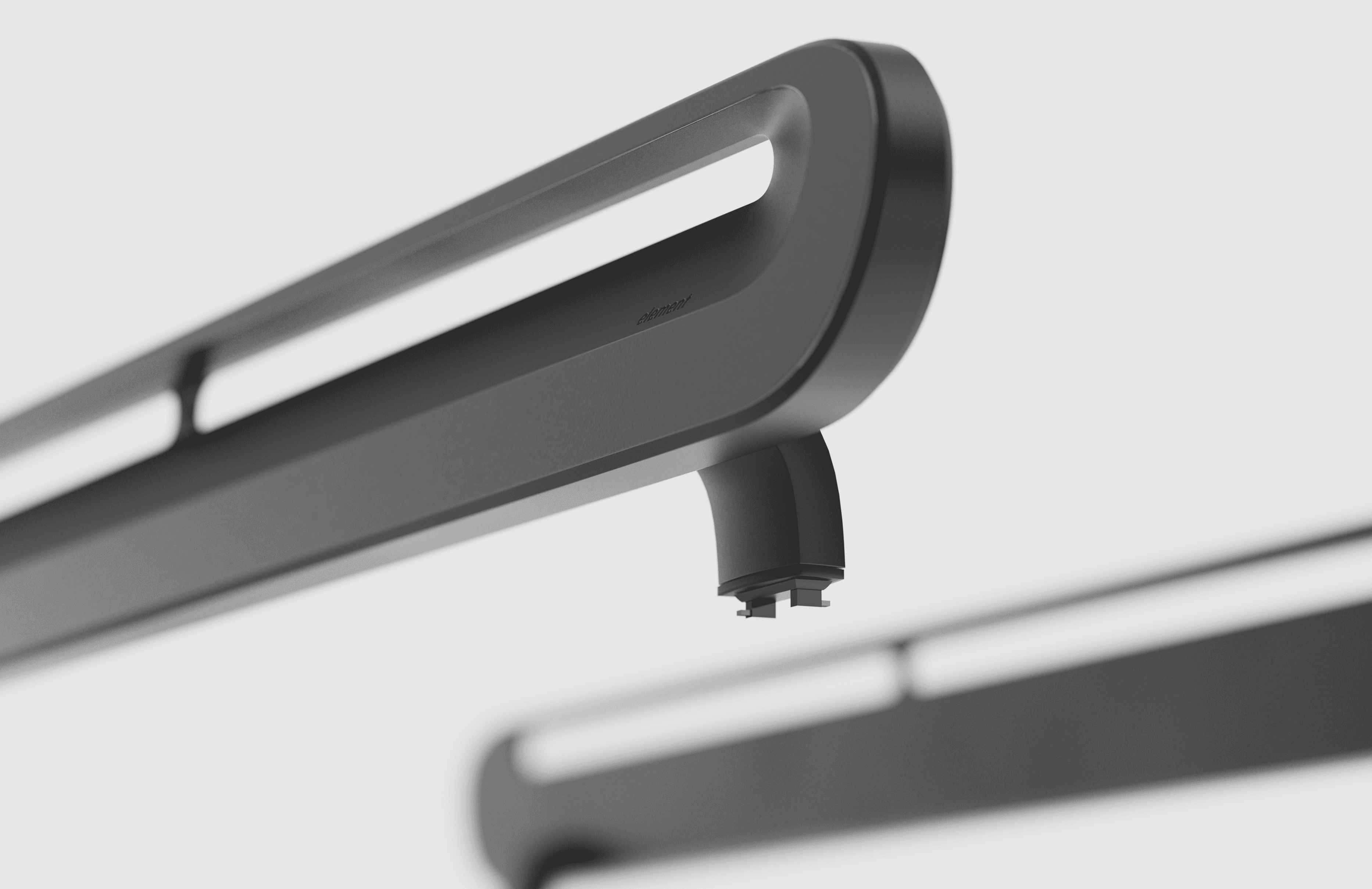
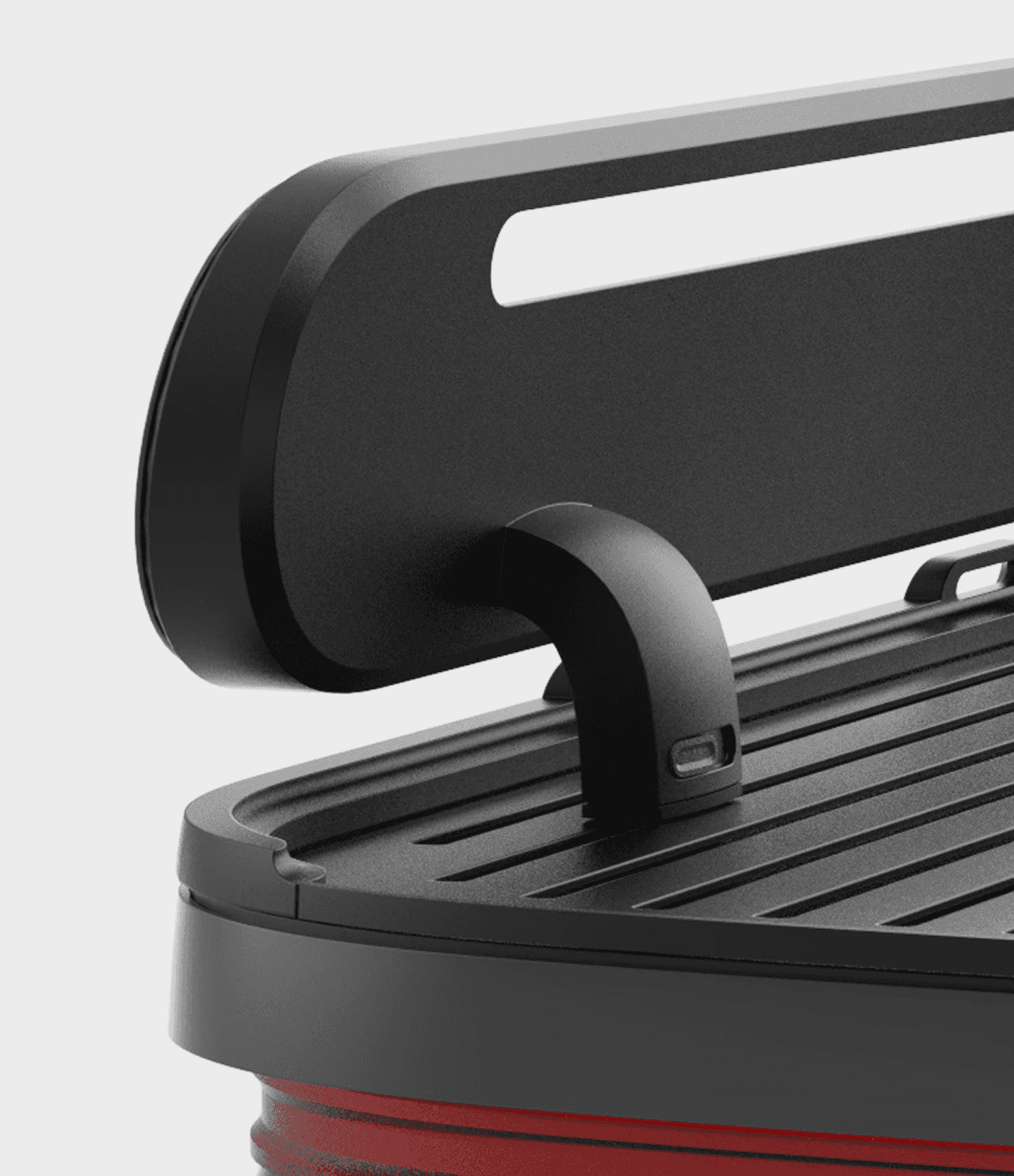
I created a modular tiedown that can be repositioned across the surface of the flatbed trailer. It uses a set of metal prongs that latch into spaces created by horizontal slats beneath the striped surface.
009
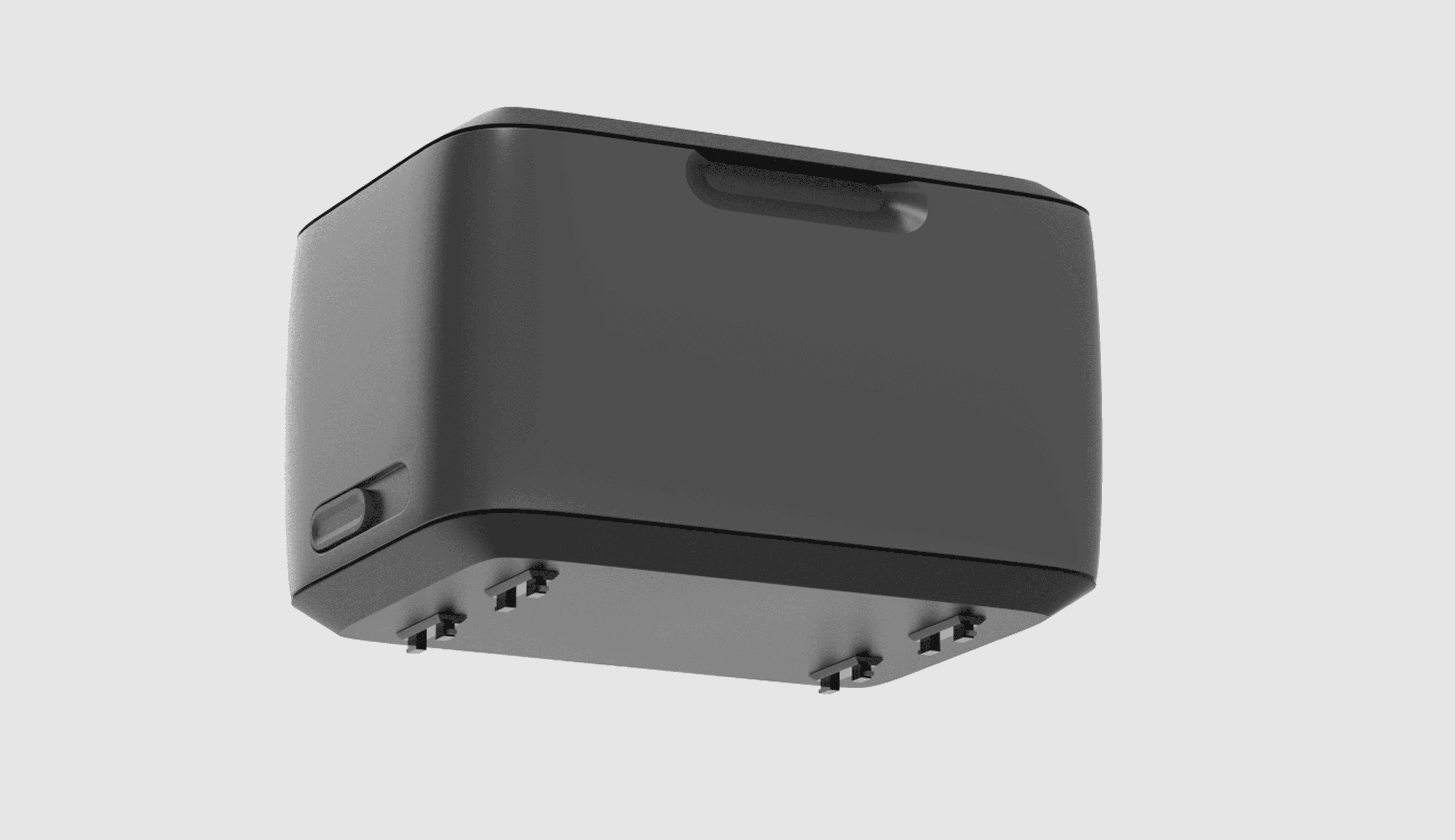
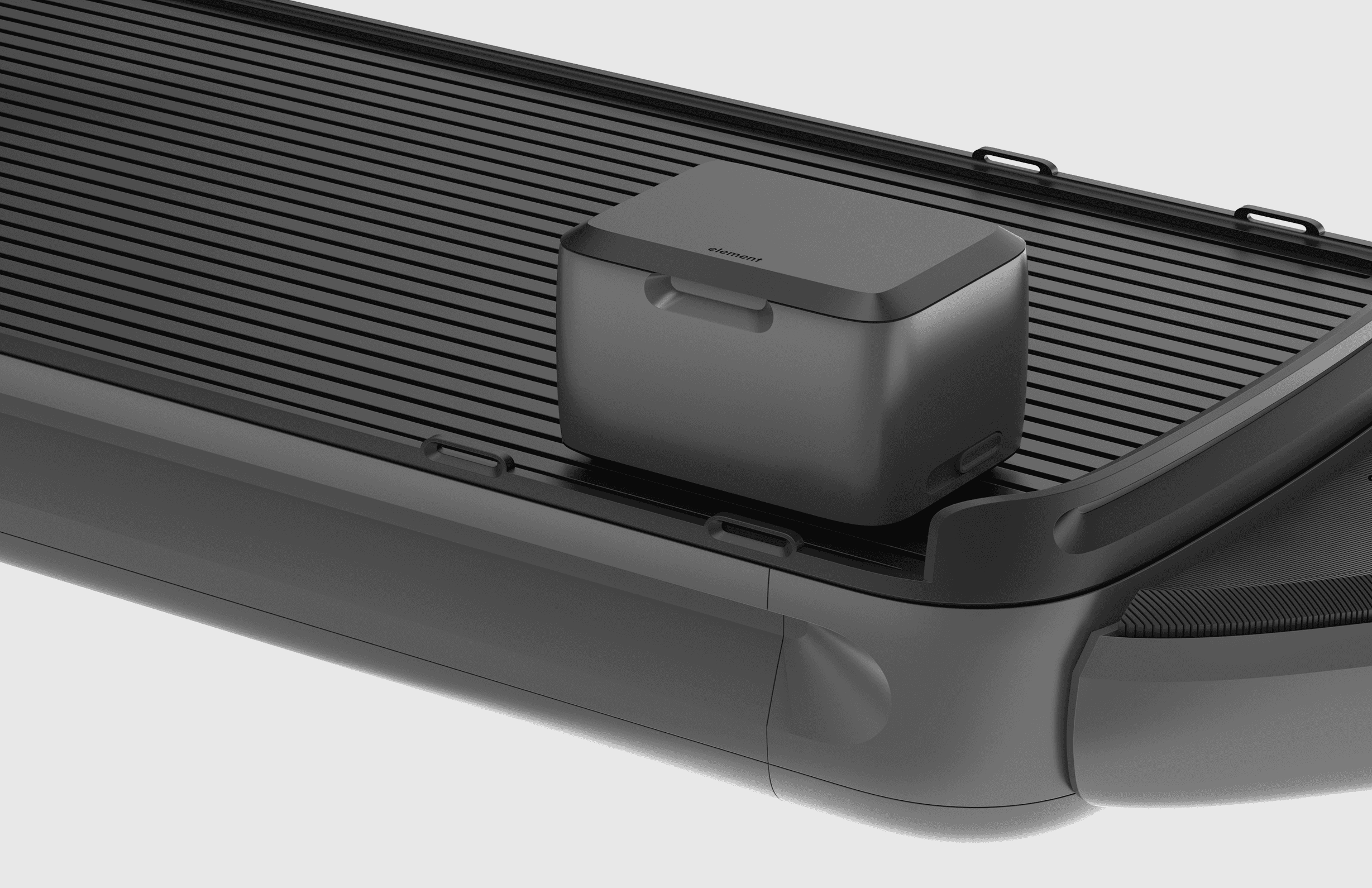
Element Cargo Box
Using the same mechanism as the tiedowns, I created a repositionable box that can be used to further enhance Element's utility.
009
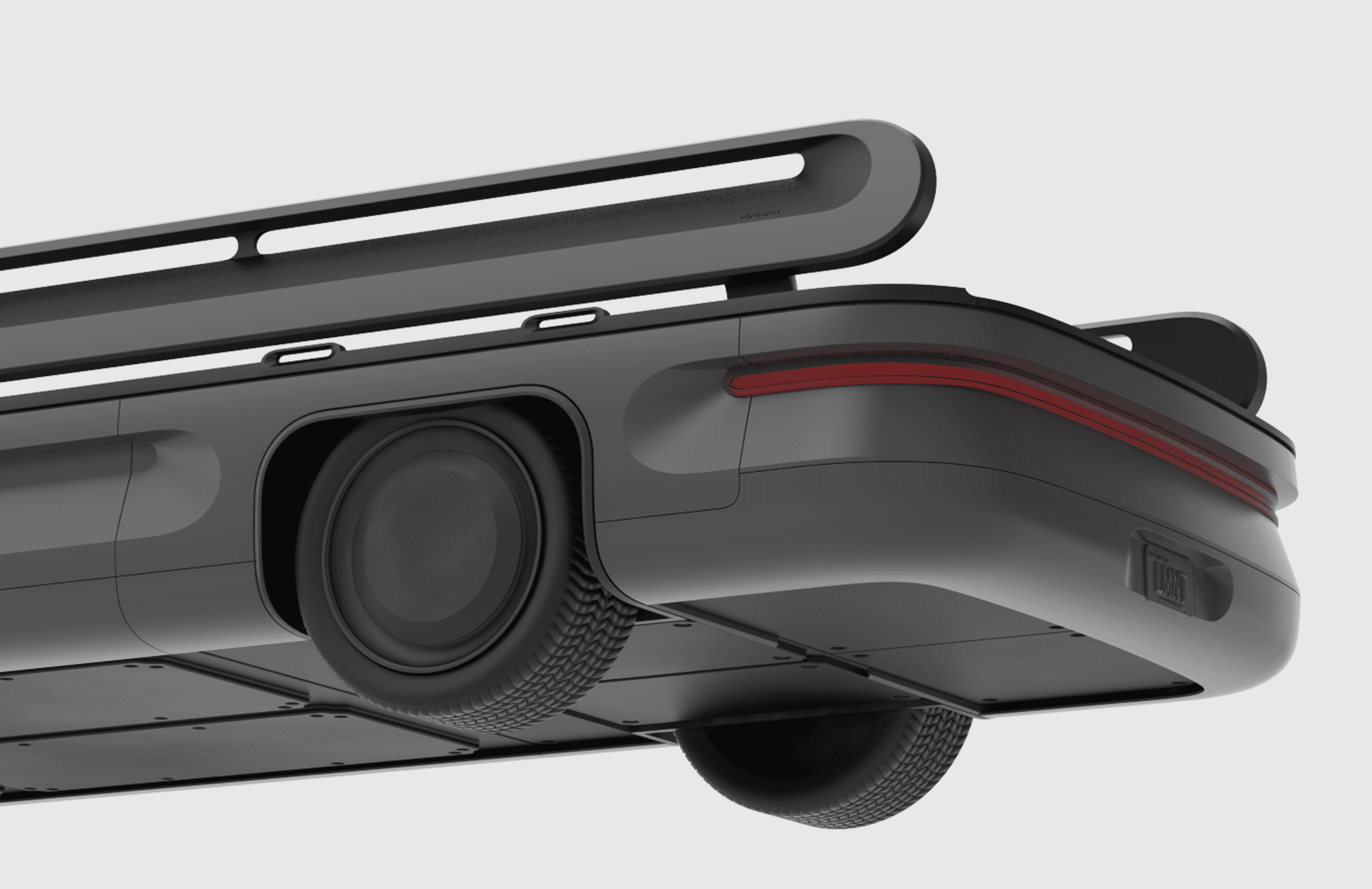
Element Cargo Barrier
We also created a repositionable and modular cargo barrier system, utilizing the same mechanism.
Thank you!
This case study is up to date as of 11.07.2025.